



Drying of vegetables and fruits
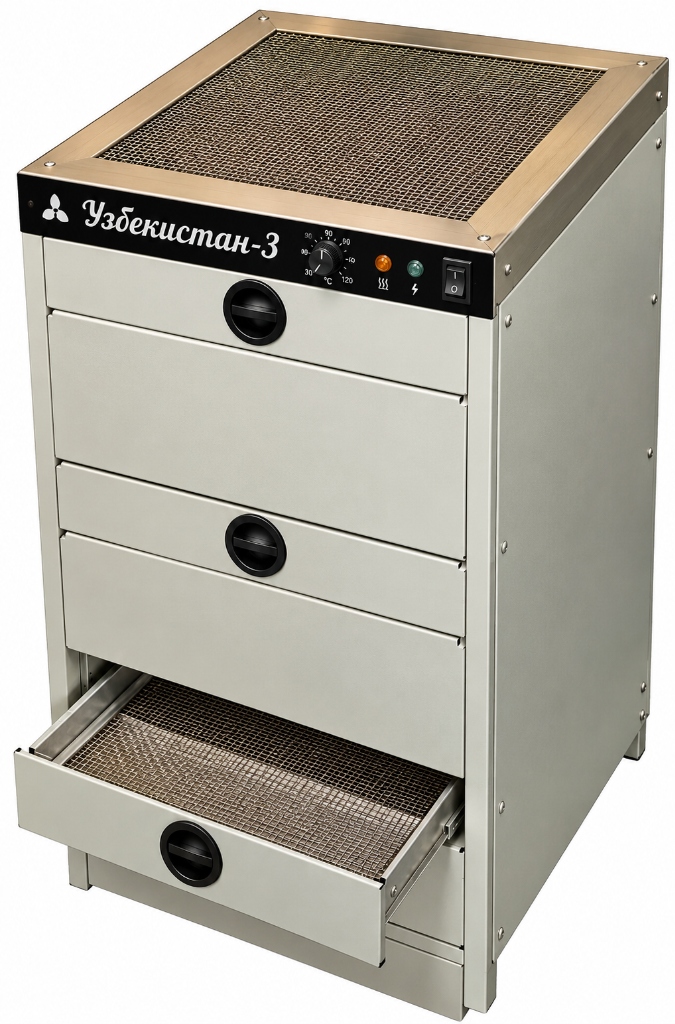
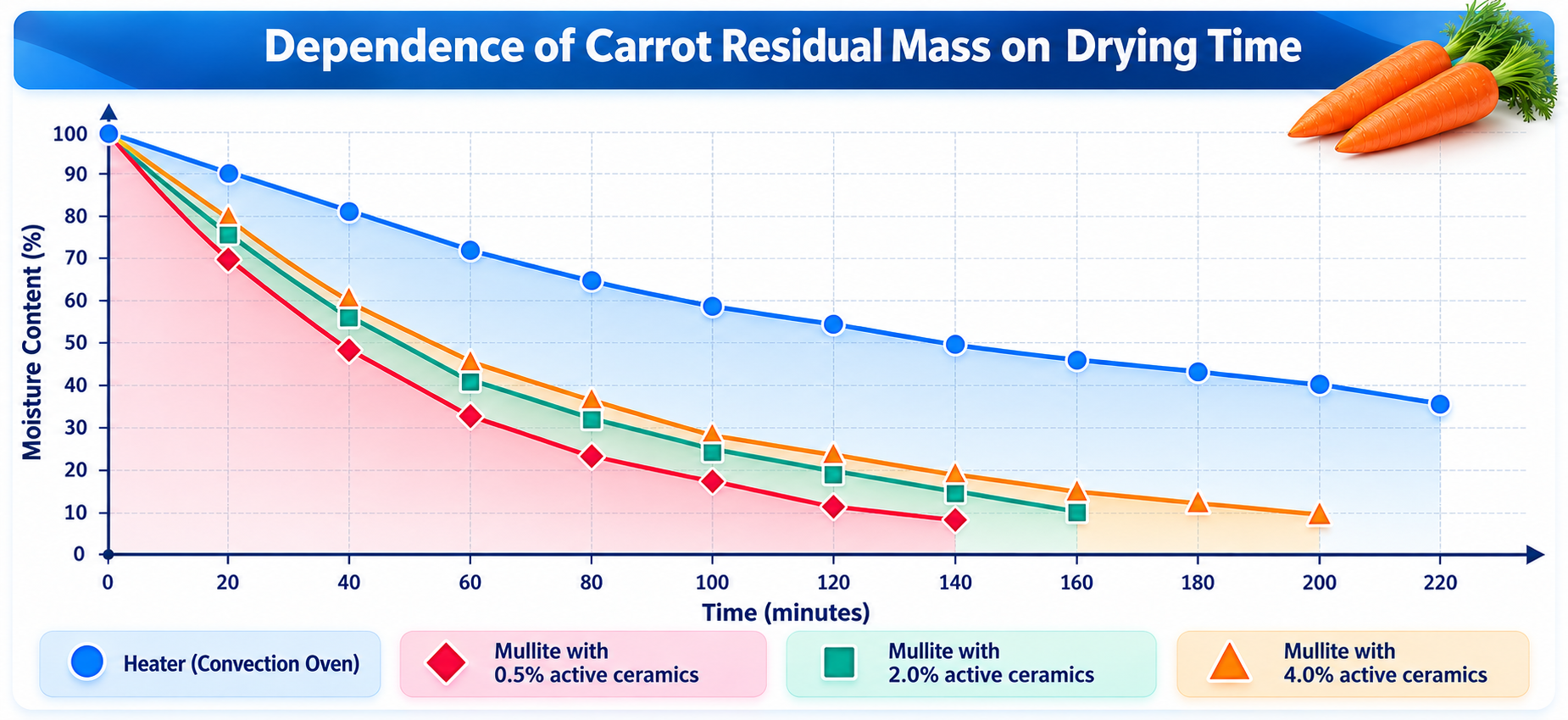
The drying method based on functional ceramics combines targeted infrared heating of the product with the effective removal of evaporating moisture. The ceramic coating of the emitting elements creates a specialized action that accelerates the release of water from the inner layers of the product. Due to this, the dehydration process proceeds more intensively than with traditional heating.
During drying, it is important not only to transfer energy to the product, but also to promptly remove the generated steam. For this purpose, the installations use moisture removal systems — ejectors or a labyrinth system. If steam is trapped inside the chamber, it begins to absorb the emitters' energy and heats the product via hot air and steam, which can lead to browning and uneven drying.
A distinct feature of functional ceramics is that its radiation accelerates the slowest stage of the process — the transfer of water from the deep layers of the product to the surface. Pulsed infrared action penetrates into the depth of the material, simultaneously promoting dehydration and reducing microbial contamination.
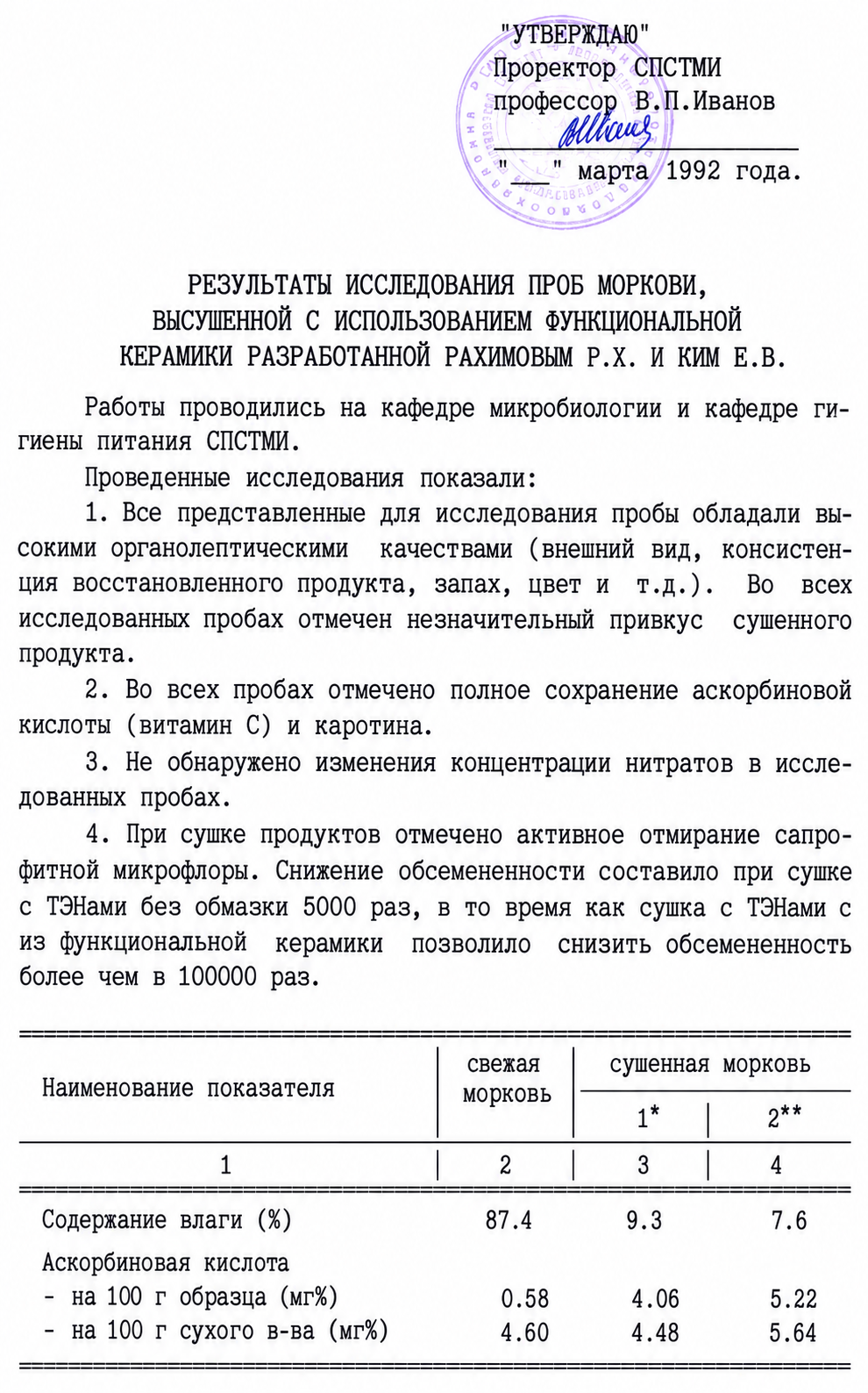
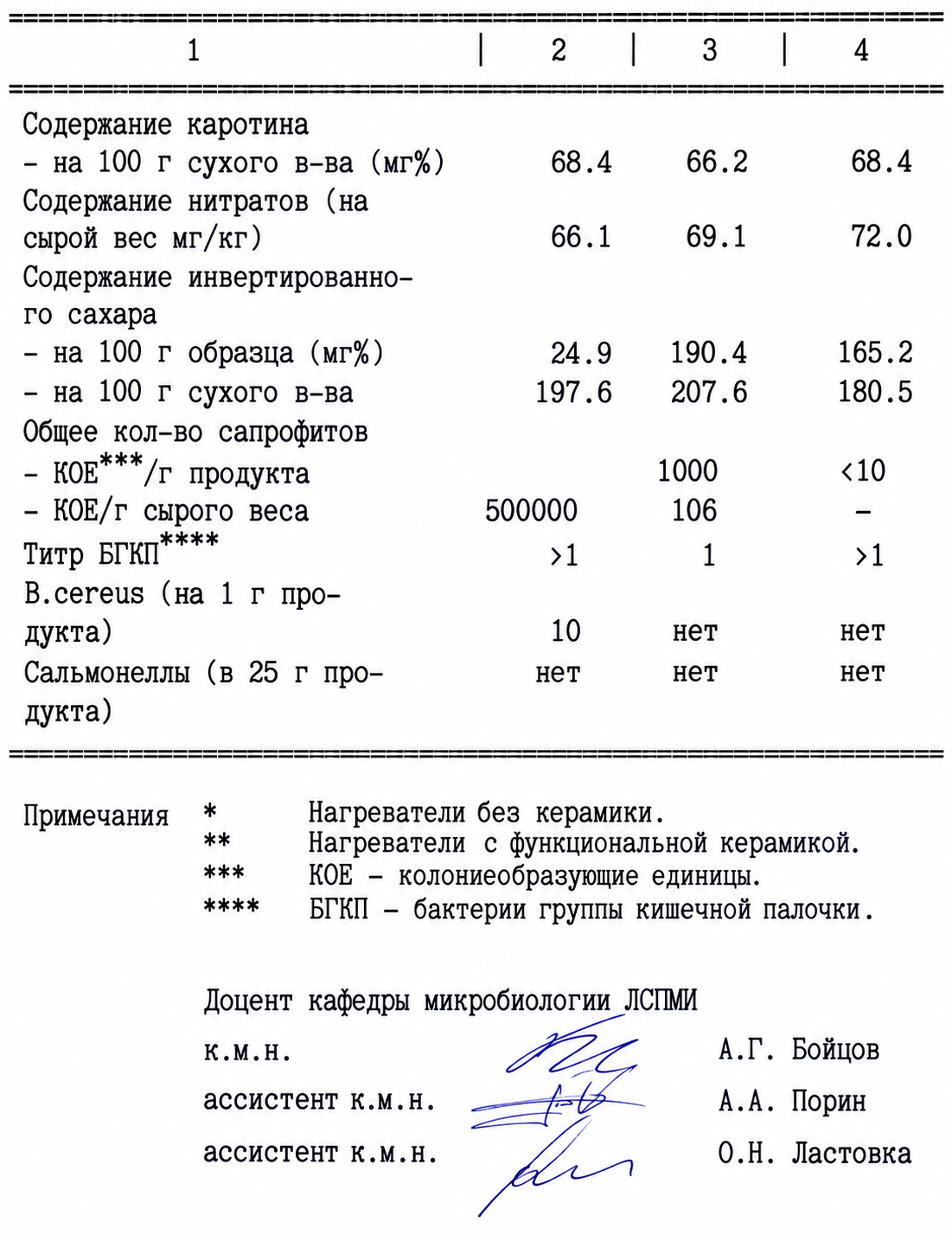
According to the developers' materials, this processing method preserves proteins, lipids, biologically active and extractive substances, vitamins, and enzymes. After reconstitution of the dried product, its taste, aroma, juiciness, and texture can be close to the characteristics of the fresh product. At the same time, the technology unites the processes of drying and sterilization, which increases the microbiological safety of the finished product.
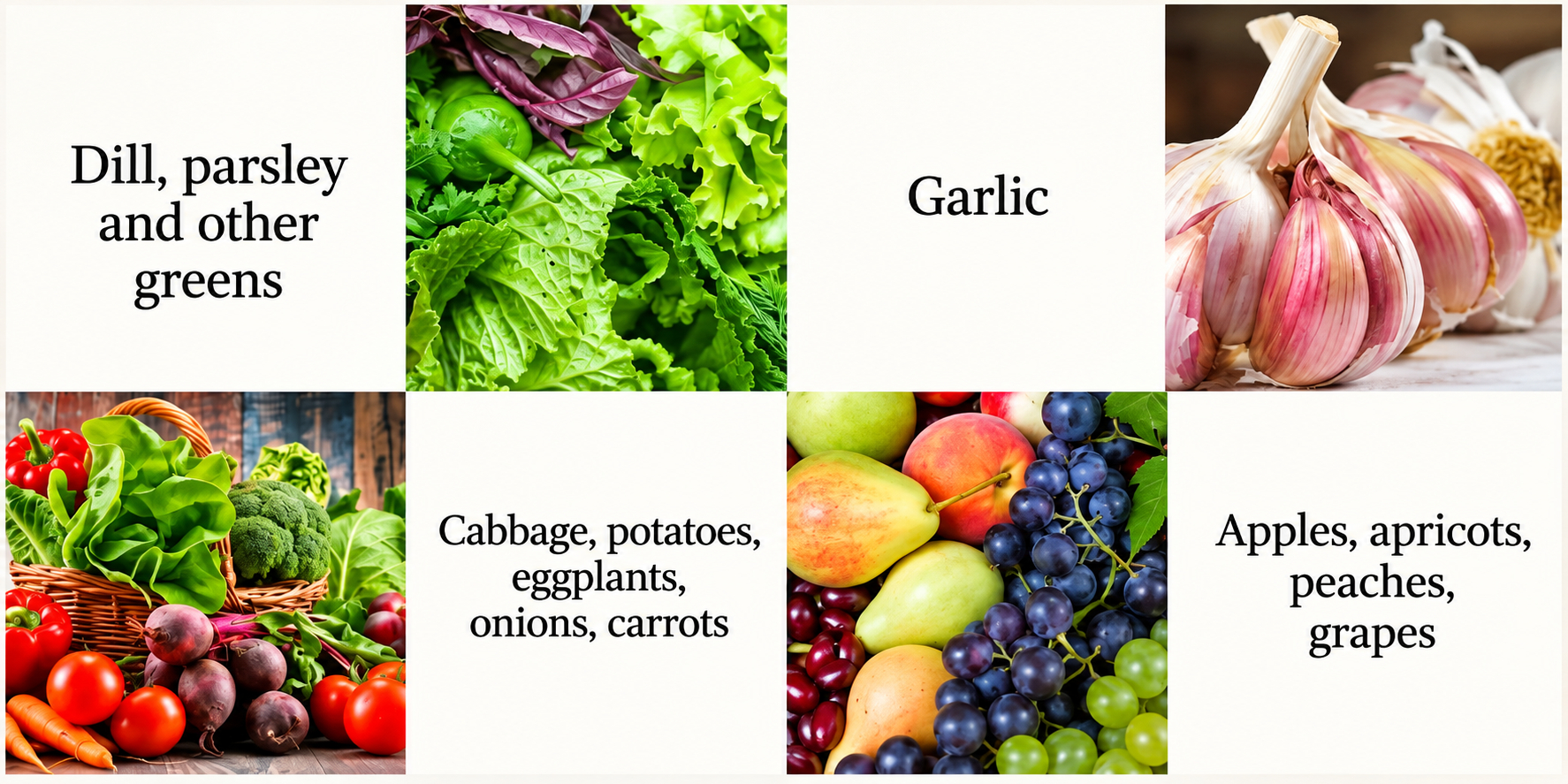
The technology is applied to various types of raw materials: vegetables, fruits, berries, mushrooms, greens, root crops, fish, and animal products. The design of the drying installation allows organizing uniform moisture removal, while various tray layouts and steam extraction systems make it possible to increase the loading capacity without significant deterioration of the drying quality.
As a result, the application of functional ceramics makes it possible to reduce the duration of the process and energy consumption while simultaneously improving the quality of the finished product. The developers also note the preservation of appearance, nutritional value, and the ability of several products to rehydrate after soaking.
Installation for efficient drying of fruits and vegetables using emitters coated with functional ceramics.
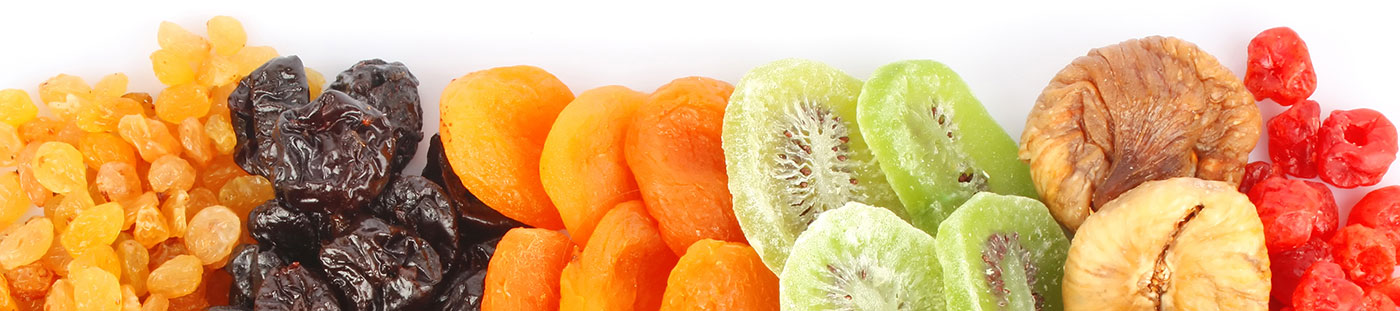
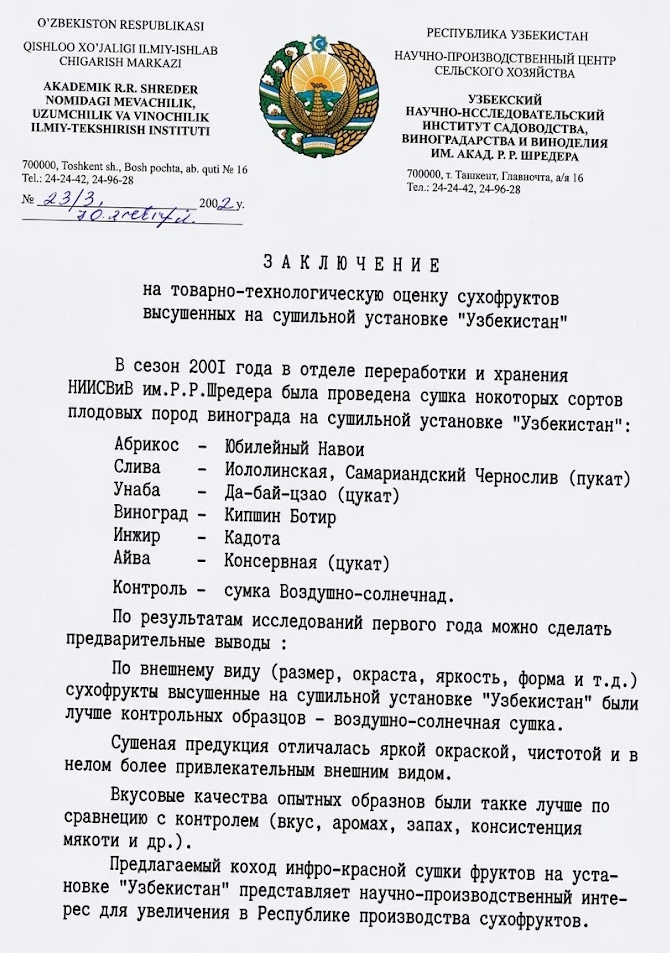
Fruits and vegetables dried in the specified mode do not require pre-treatment with sulfur or other chemicals to extend their shelf life. At the same time, the products retain their original natural components and taste qualities. The drying temperature can be as low as from 40 °C.
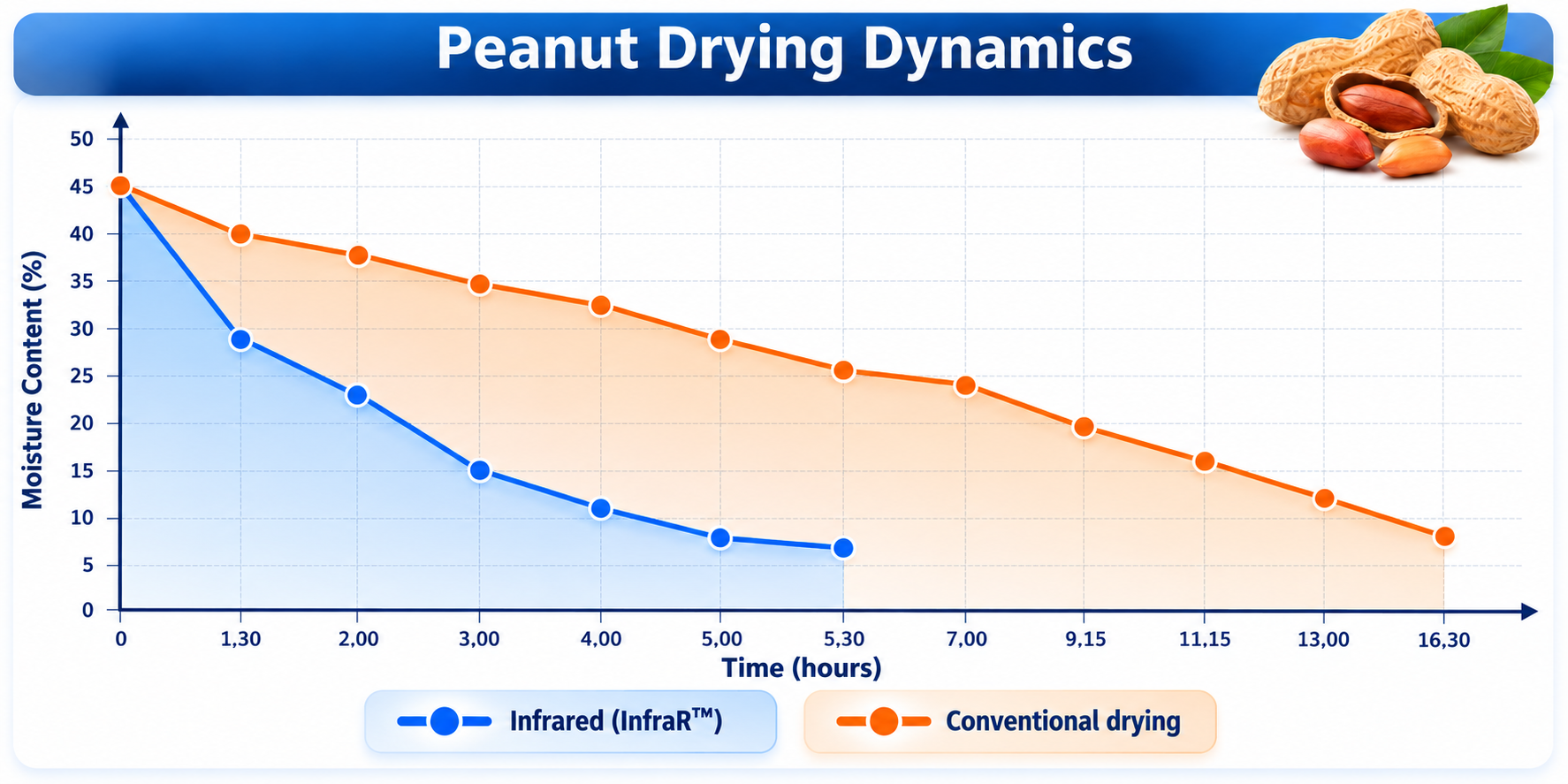
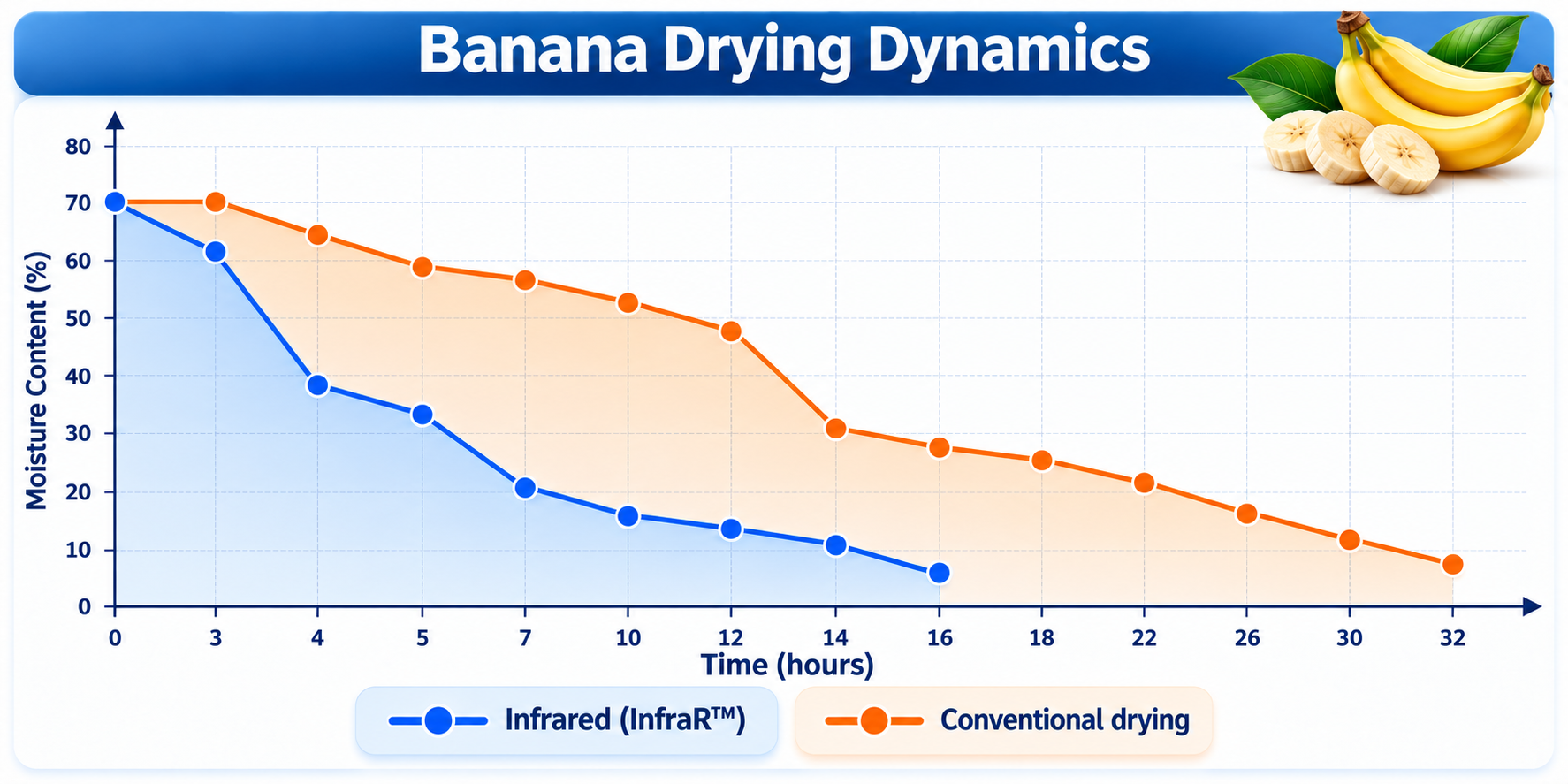
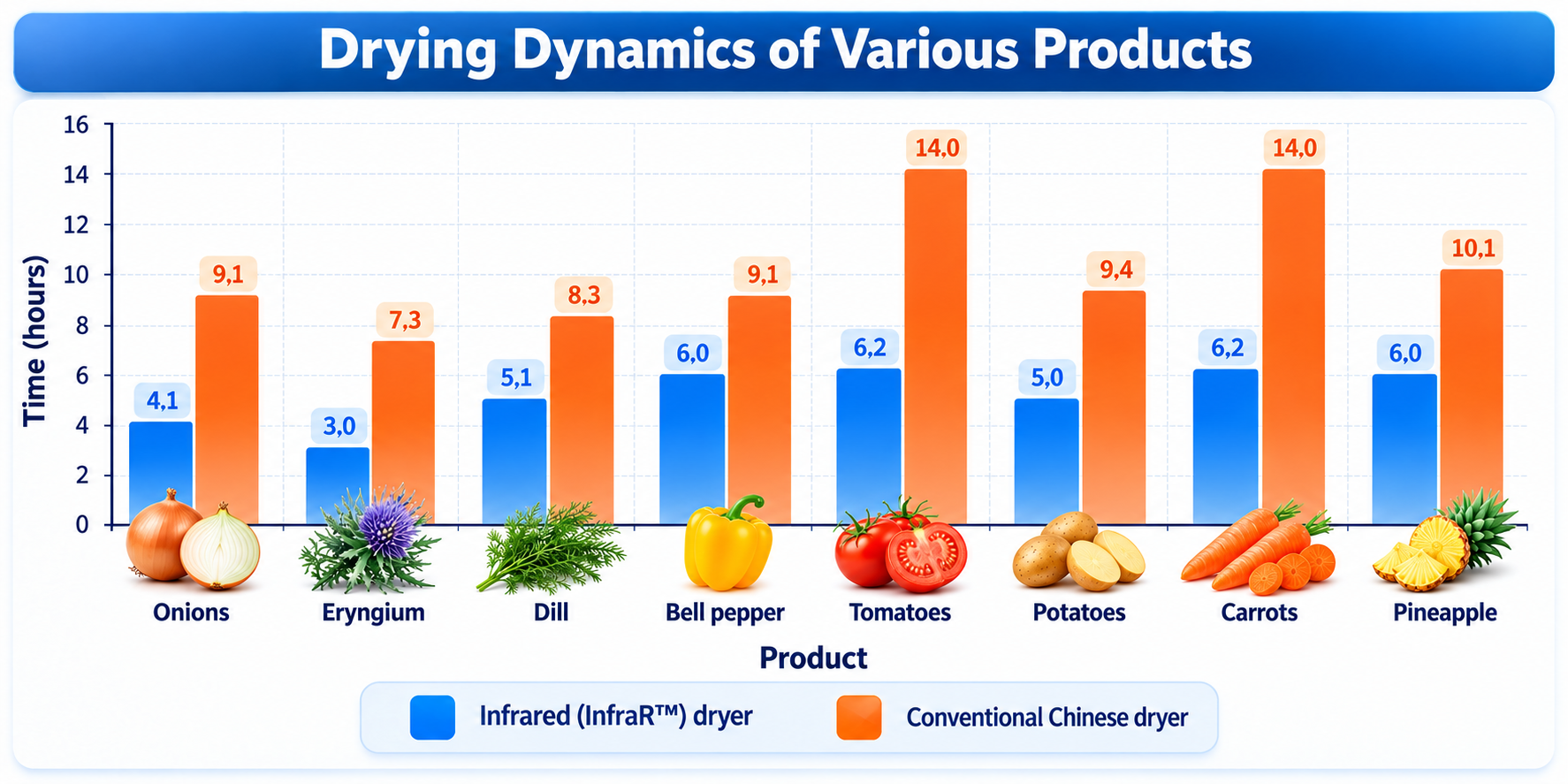
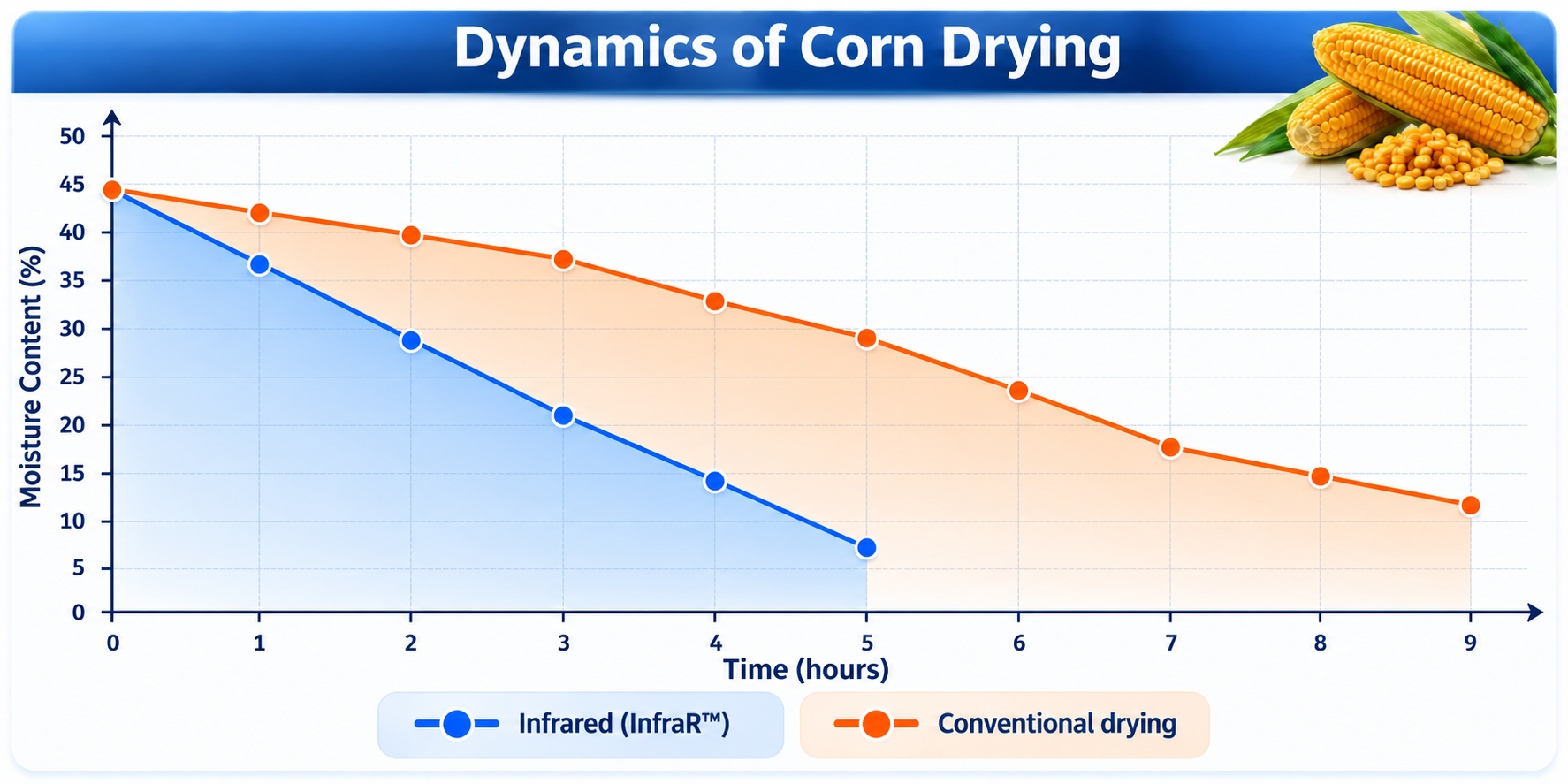
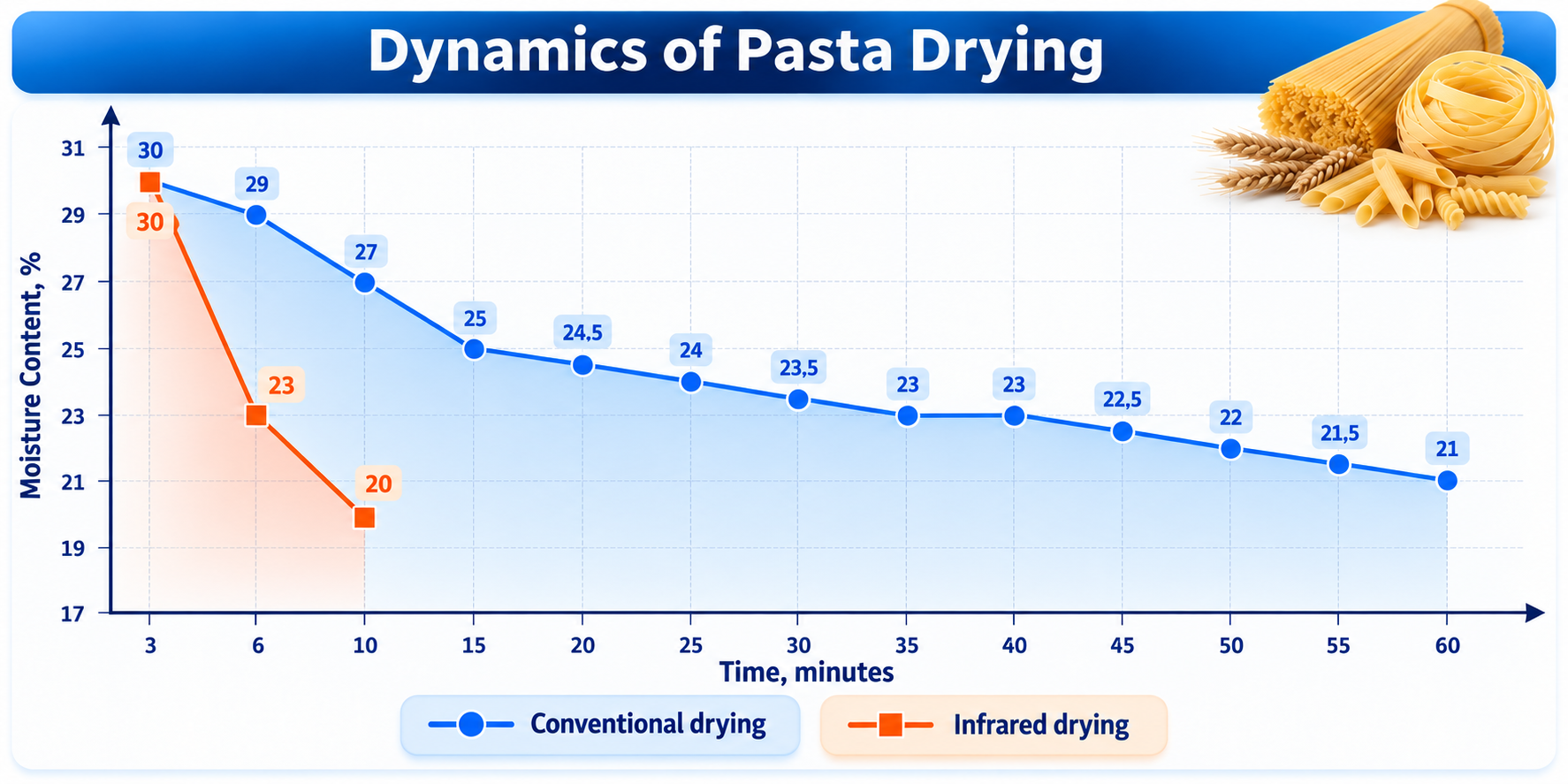
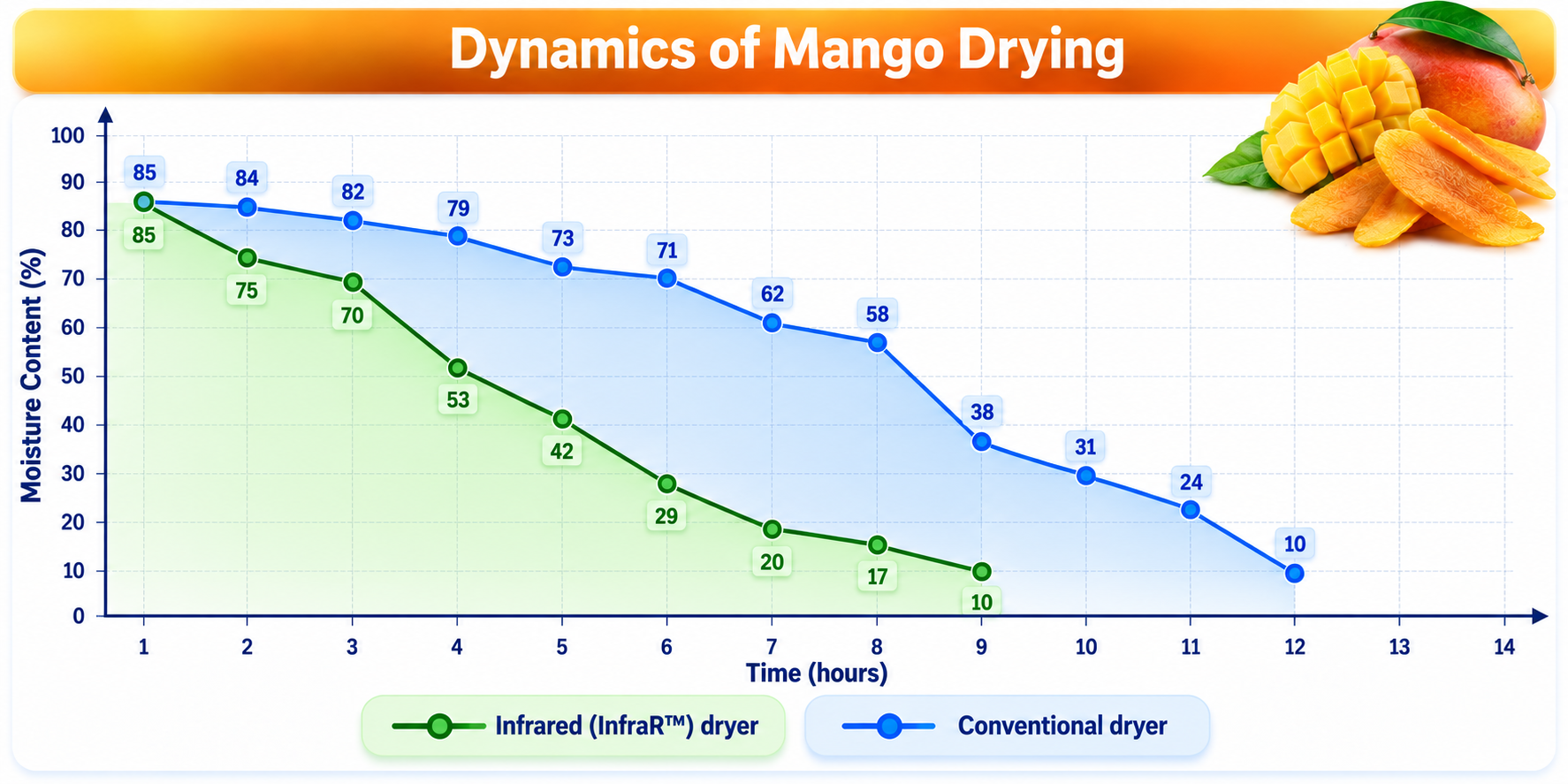
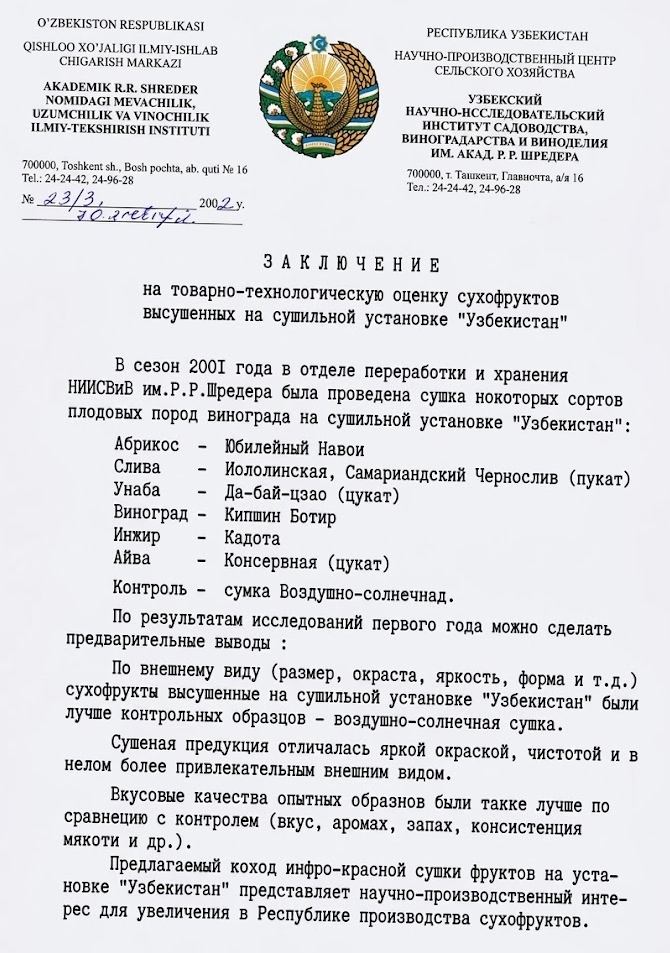
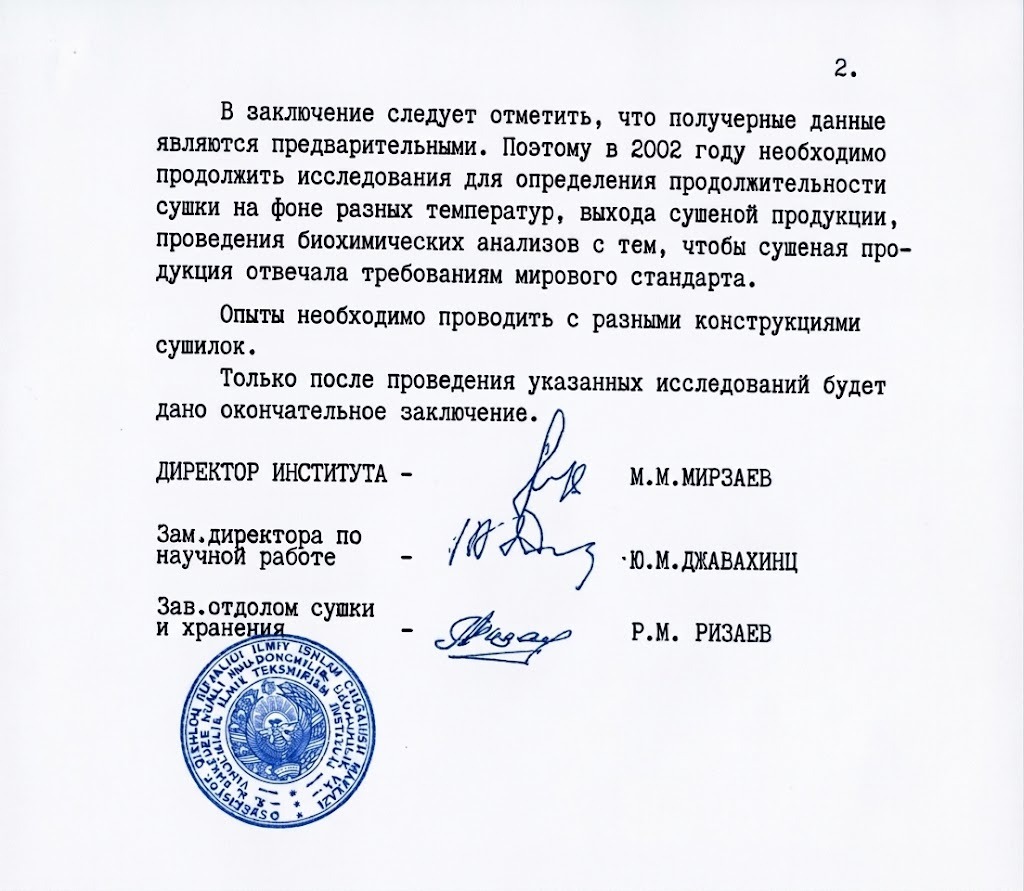
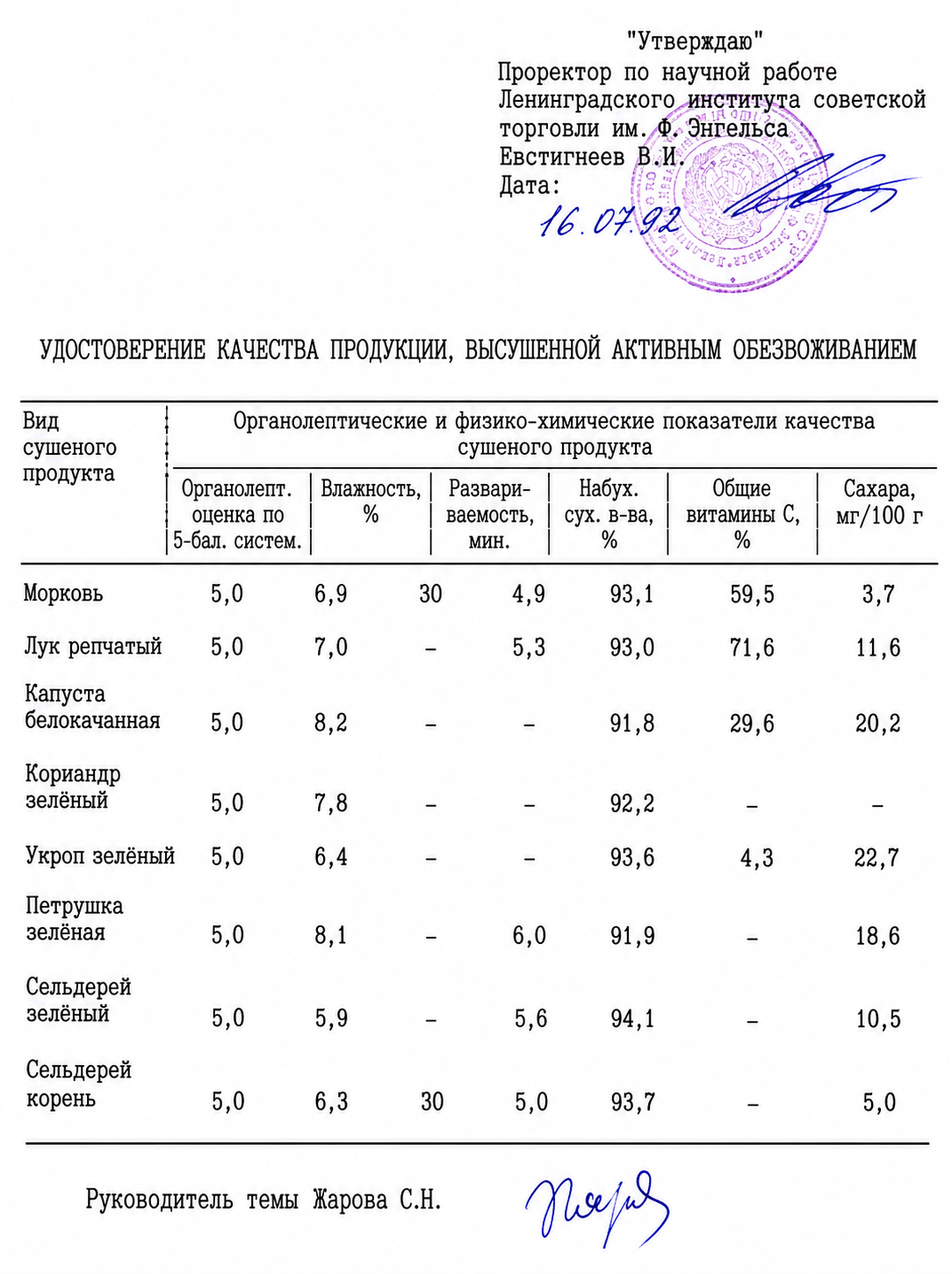
Independent tests have shown that this method is more effective than conventional traditional methods and can ensure optimal preservation of the original properties of the products, their marketable appearance, and nutritional qualities, while also saving time and energy resources. The drying time significantly depends on the product varieties and the cutting method.
Drying of medicinal preparations and herbs
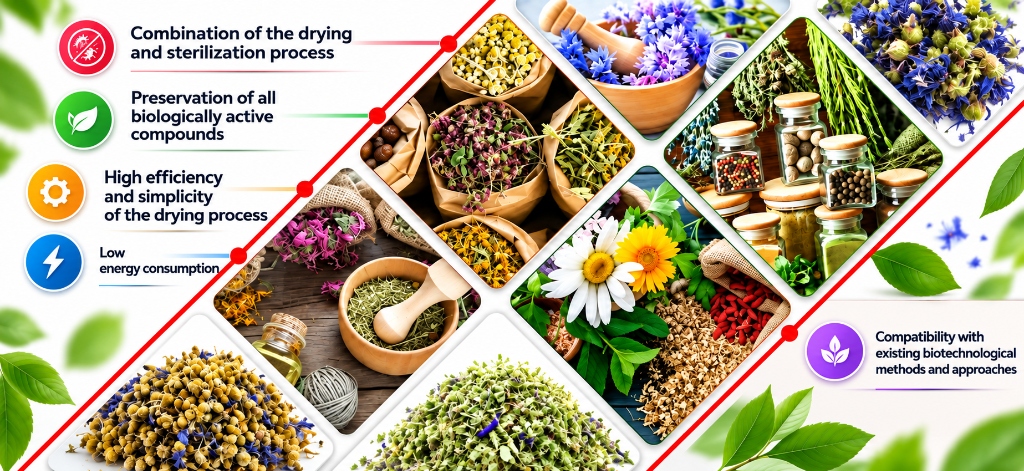
The proposed drying technology can be used in the production of dyes, concentrates, various pastes, powders, extracts, ointments, as well as for drying herbs and other components used in pharmaceutical manufacturing. This method ensures the preservation of all chemical and biological substances, including enzymes, vitamins, hormones, easily oxidizable compounds, and essential oils. The products obtained through this drying process have a long shelf life. The applied technology accelerates the production cycle while significantly reducing energy costs.
Advantages over traditional technologies
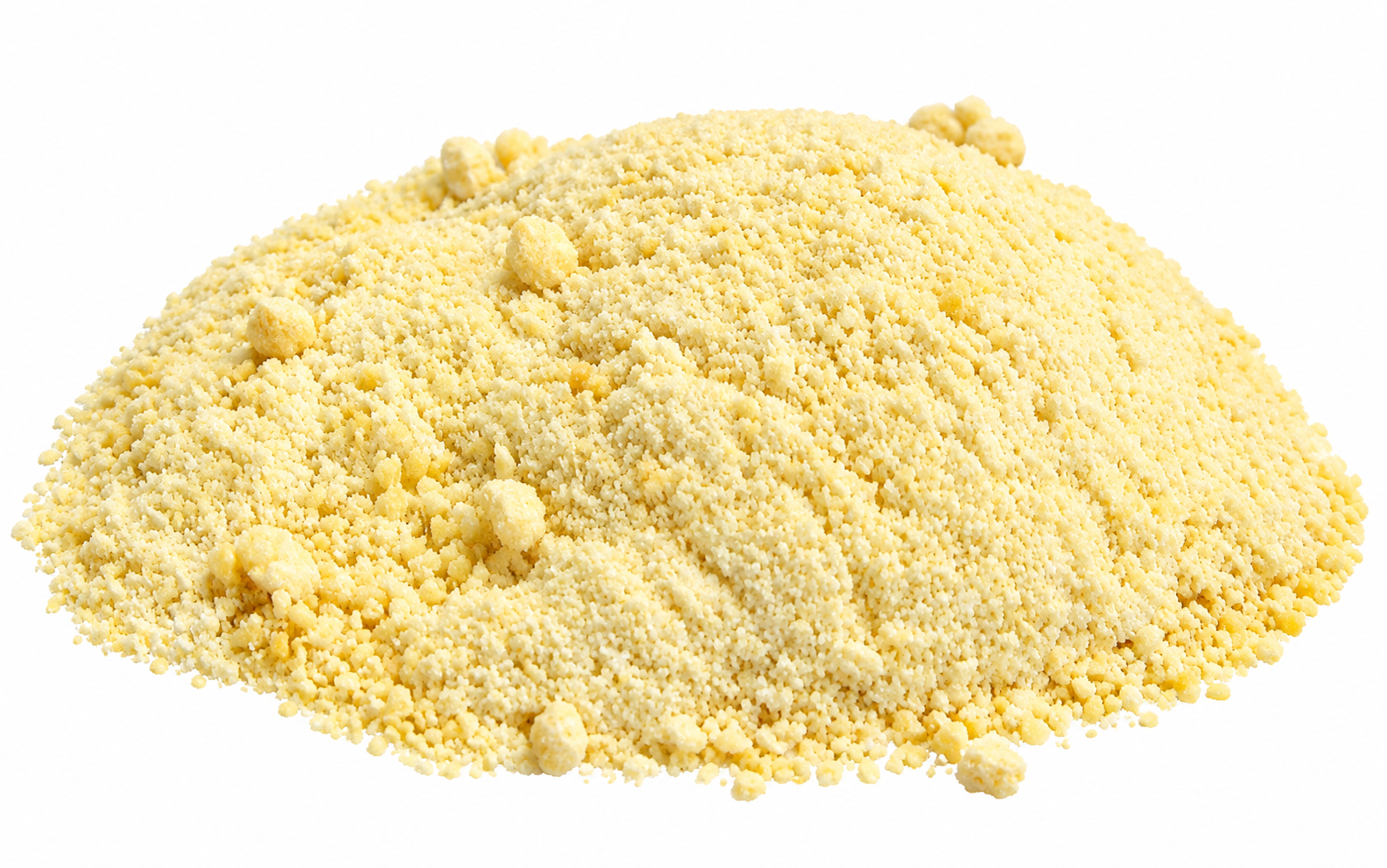
Samples
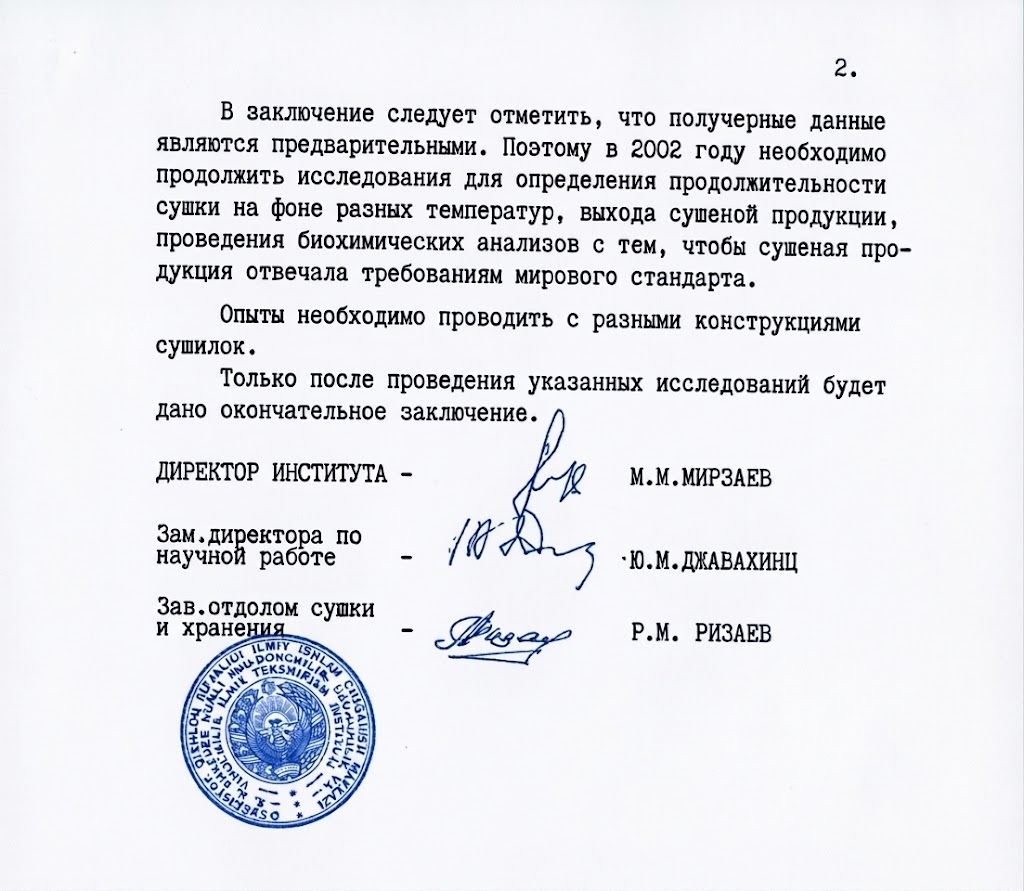
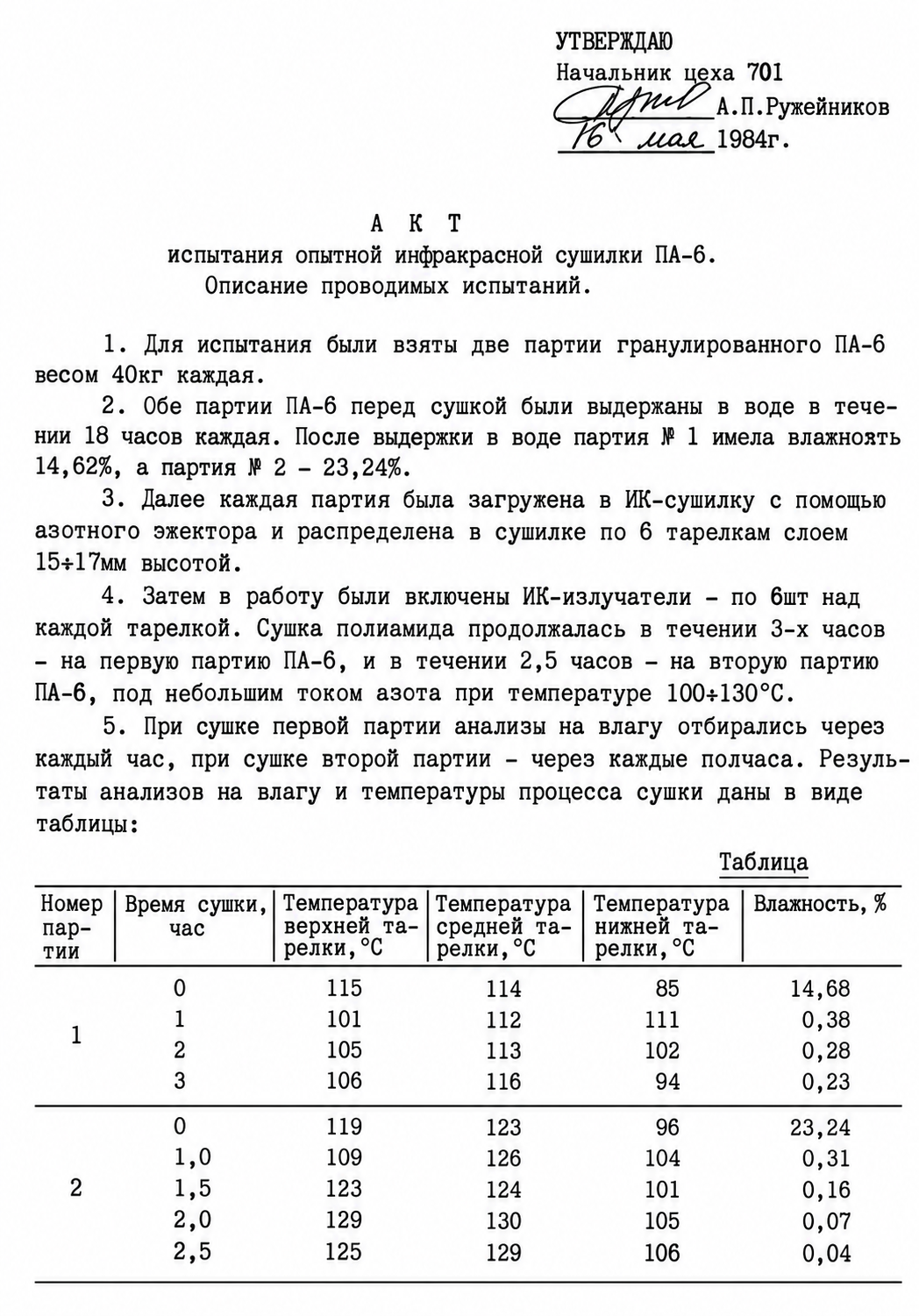
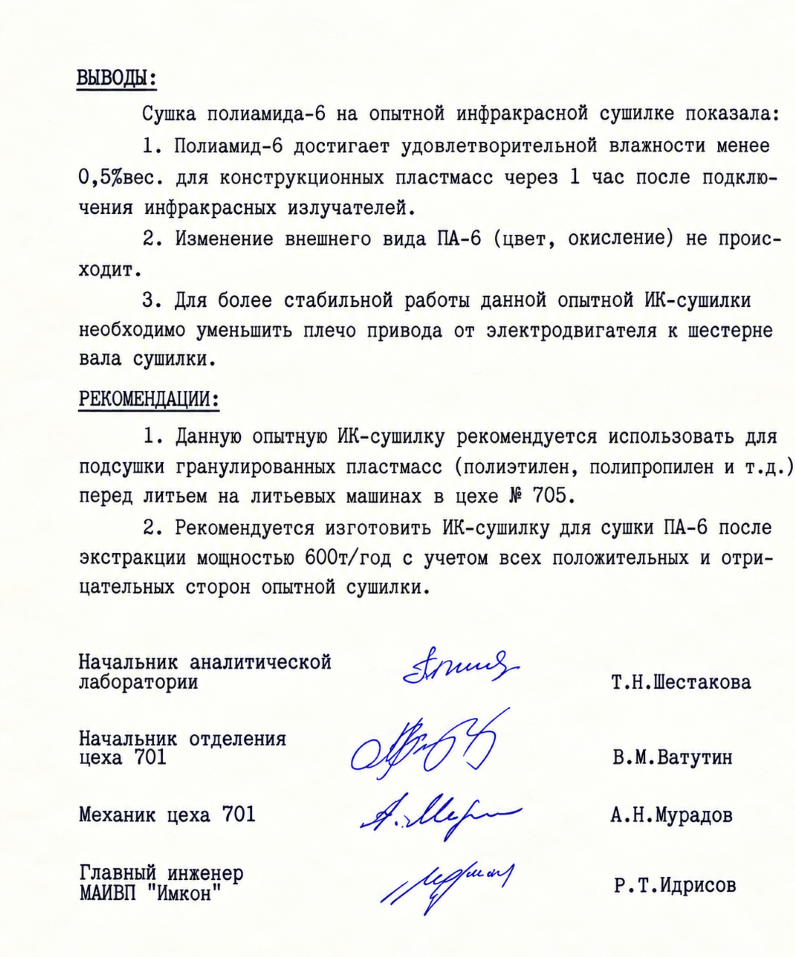
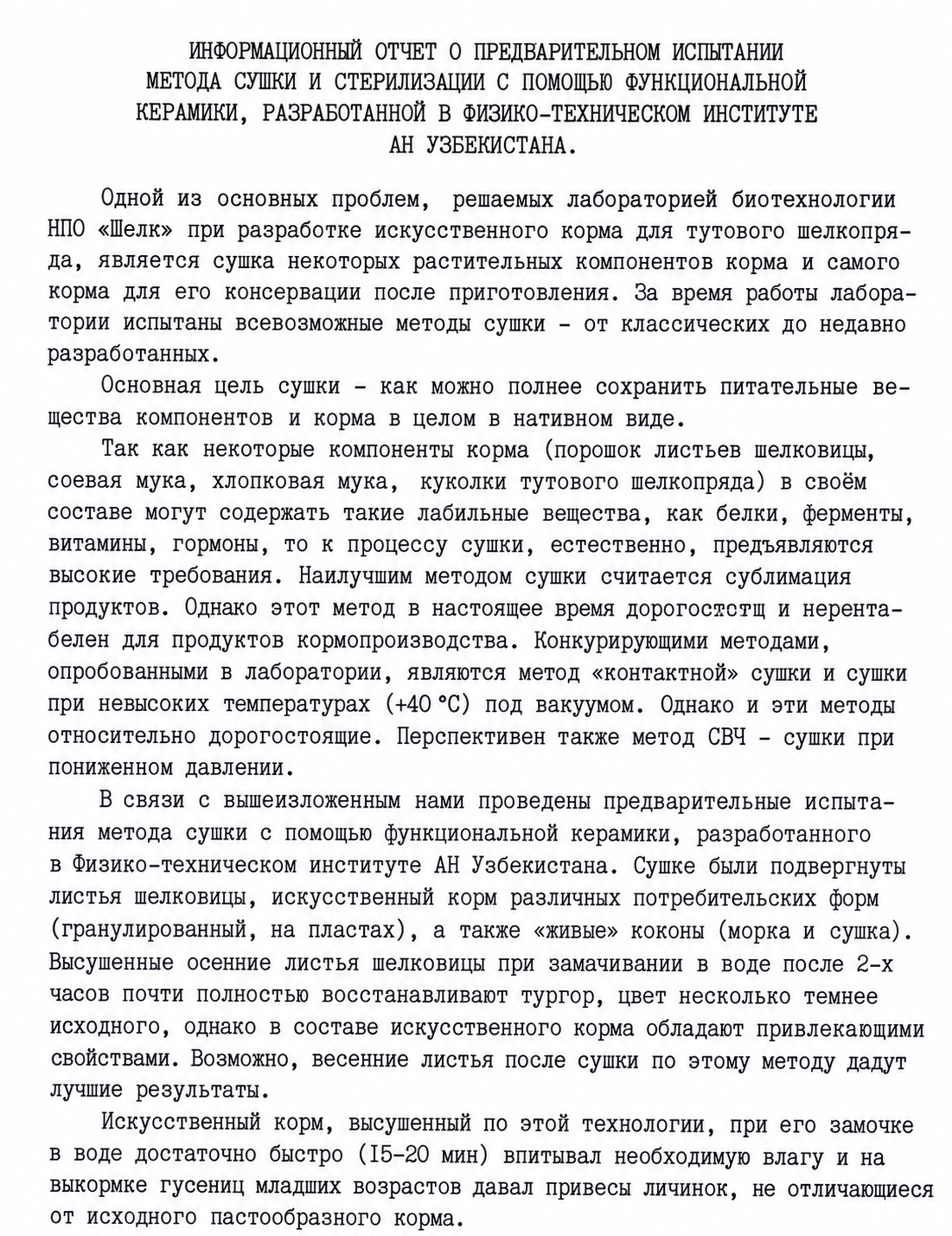
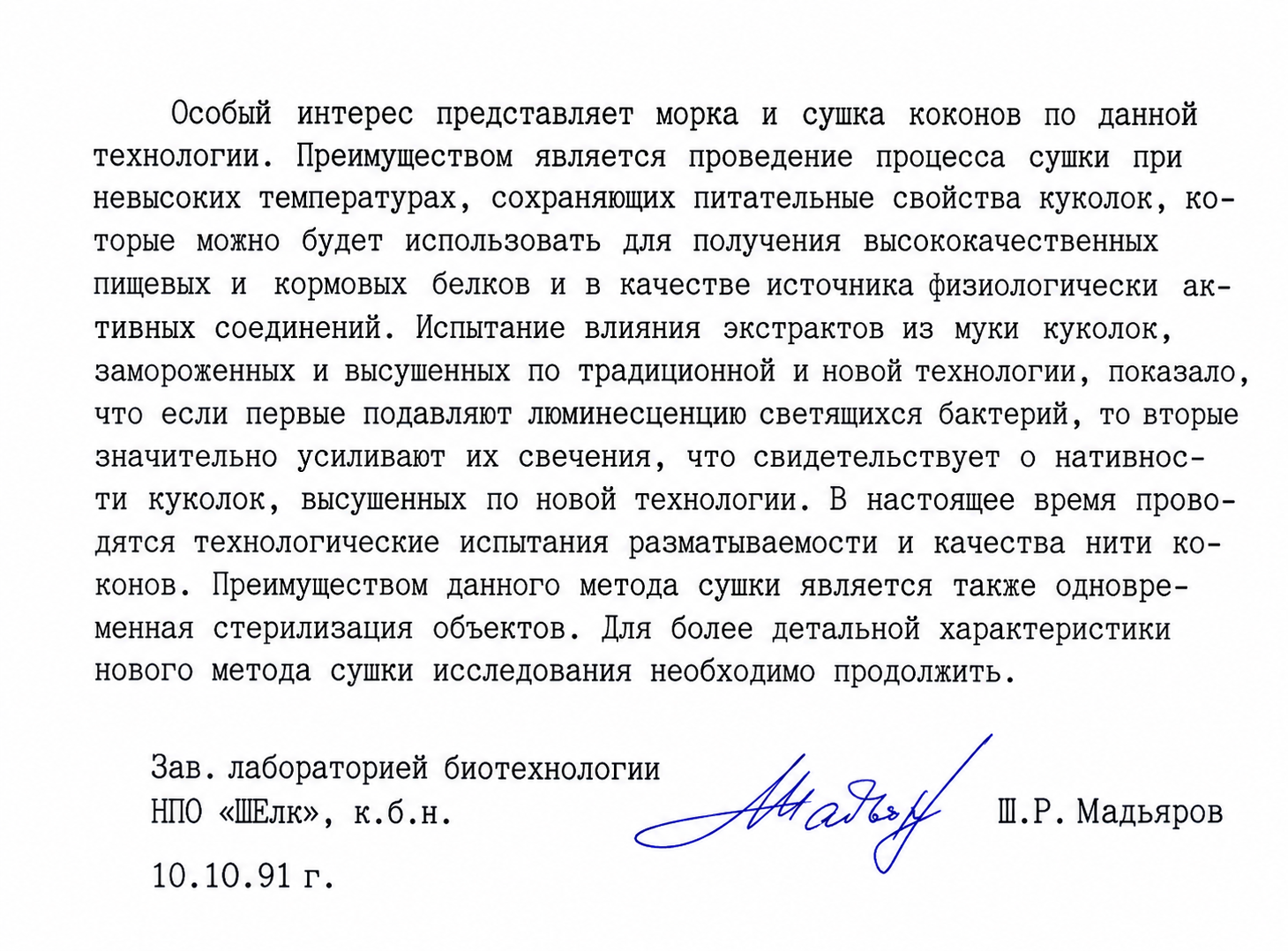
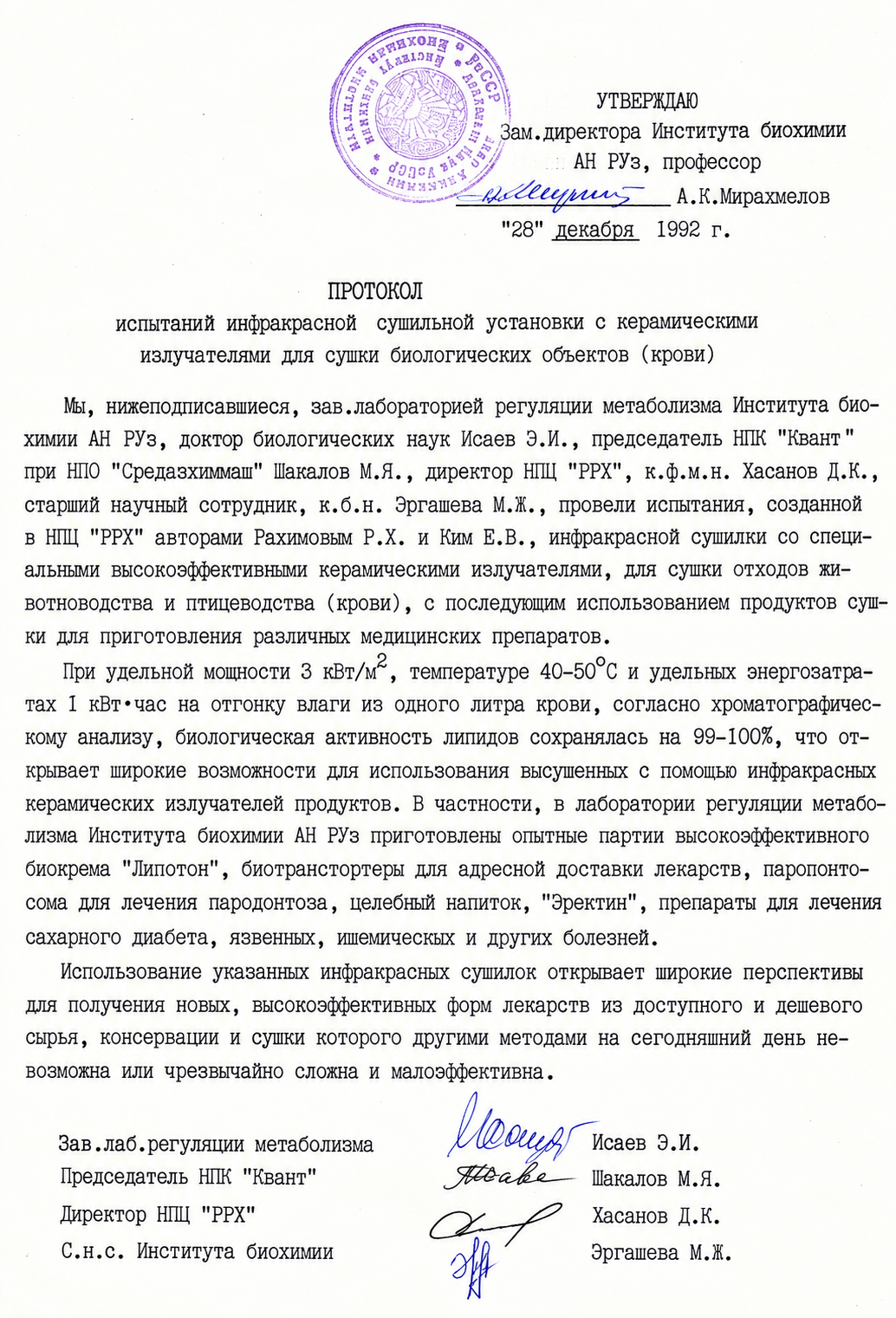
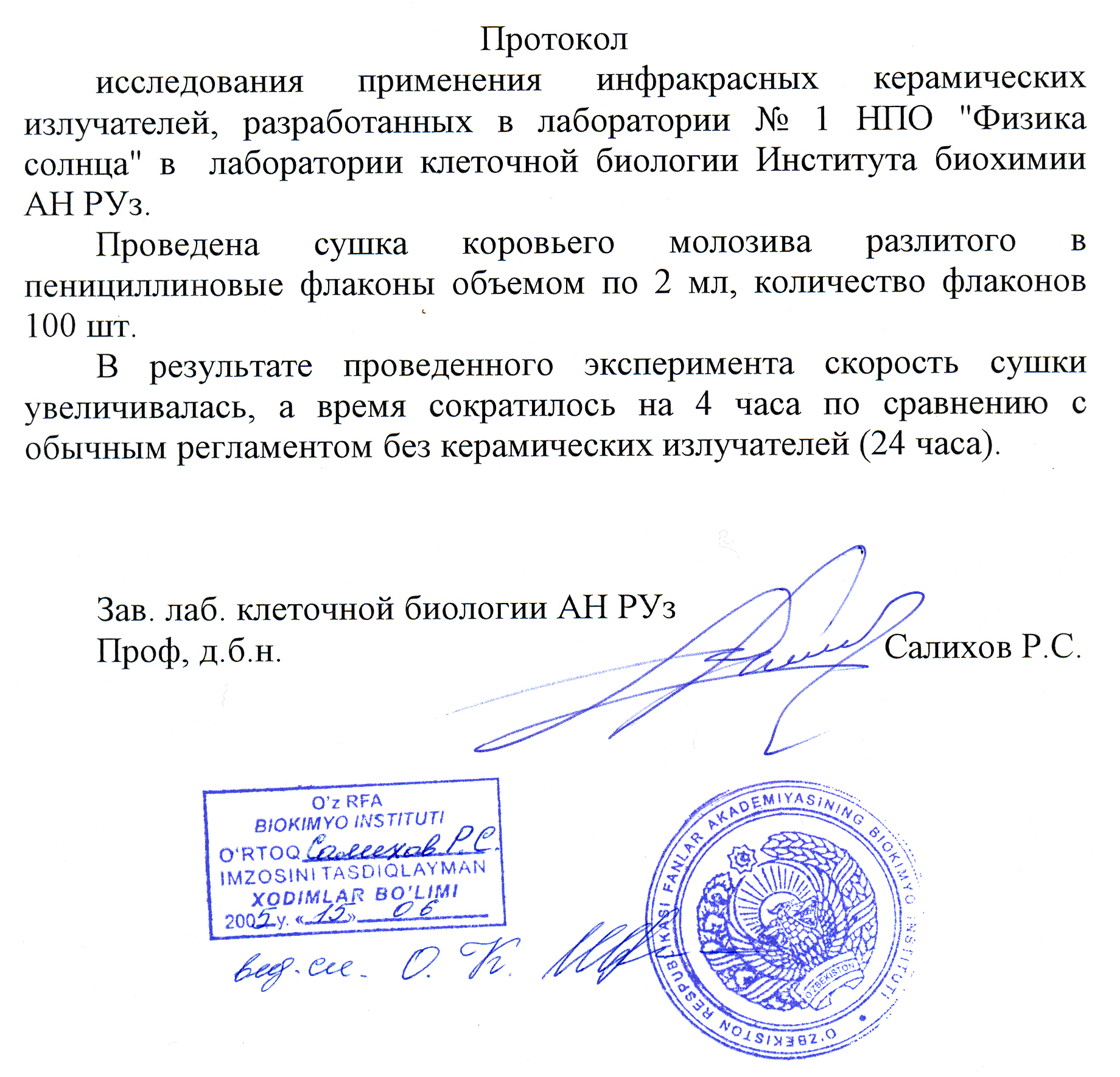
Test Reports and Conclusions
Infographics