





Operating Principle of the Technology
The method is based on the use of ceramic emitters with a specially developed functional ceramic coating. This coating converts primary thermal energy into a directional spectrum of infrared waves within a precisely defined wavelength band.
The radiation spectrum is selected so that organic molecules in the product absorb the majority of the radiant energy compared to liquids. Under the action of selective IR radiation, targeted photochemical reactions occur: proteins break down into amino acids, starch into maltose, and complex fats into fatty acids.
At the same time, most enzymes, proteins, natural juices, vitamins, and minerals remain intact. Unlike conventional convective heating, pulsed infrared radiation uses water molecules inside the food product as natural "light guides," conveying energy deep into the product with minimal absorption by the water itself.
This ensures uniform, thorough in-depth thermal processing throughout the entire volume without drying out the surface, accompanied by simultaneous deep sterilization and elimination of yeast bacteria with minimal energy consumption.
Functional Ceramics
Microstructured ceramic coating transforms heating element energy into a resonant IR spectrum with high emissivity.
Selective Absorption
Organic molecules absorb maximum energy, accelerating the breakdown of proteins, starches, and fats while preserving enzymes and vitamins.
Water Molecules as Light Guides
Pulsed IR radiation penetrates deep into the product along moisture pathways, ensuring uniform thermal processing.
Simultaneous Sterilization
Deep elimination of yeast bacteria and microorganisms during cooking extends bread freshness for several days.
Grills and Roasting Ovens
Preparation of poultry, meat, fish, and other food products
The developed roasting ovens, grills, and barbecue makers based on ceramic emitters with functional ceramics are designed for rapid and gentle thermal processing of meat, fish, and poultry products.
The quality of the resulting food is significantly higher than in conventional thermal appliances. Due to resonant interaction between IR waves and organic molecular structures, food prepared in these grills is far tastier, juicier, and more nutritious according to organoleptic indicators.
The equipment manufacturing technology is straightforward and reliable, completely eliminates harmful radiation, and achieves deep product sterilization directly during the cooking process.
Practical Advantages of Grills & Roasting Ovens:
- Complete absence of harmful radiation;
- Full sterilization of food during cooking;
- Mass loss of only 2.5–3% (compared to 26–30% in a conventional oven);
- Significant reduction in energy consumption for final product preparation (up to 30 times);
- A considerable reduction in cooking time (4 to 7 times).

Preparation of poultry and meat using functional ceramics: preservation of natural juices, flavor, and reduction of mass loss to 2.5–3%
Comparative Performance Indicators (Grills / Roasting Ovens)
Baking of Cookies and Bakery Products
Baking conveyors and ovens with pulsed ceramic infrared emitters
Our baking method is based on selecting the appropriate pulsed radiation spectrum, where organic molecules absorb maximum energy, while water molecules present in the product act as "conductors" of energy, absorbing it minimally.
The impact on the product occurs evenly, as pulsed infrared radiation penetrates deeply through water molecules, functioning like a "light guide." Consequently, dough pieces are baked uniformly throughout their entire volume.
Bread baked in such an oven retains its freshness and taste for several days. This is due to simultaneous sterilization and the elimination of yeast bacteria during baking.
Baking conveyors and ovens deliver a substantial increase in line productivity while drastically reducing unit energy and operational costs.
Practical Advantages of Baking Technology:
- Complete absence of harmful radiation;
- Full sterilization of food during cooking;
- Mass loss is only 2.5–3% (compared to 26–30% in conventional ovens);
- Energy consumption reduction by 4–10 times;
- Cooking time reduction by 4–8 times;
- Baking efficiency increases by 30–40 times;
- Significantly higher quality of final products;
- Simplicity of equipment technology and simultaneous deep sterilization.
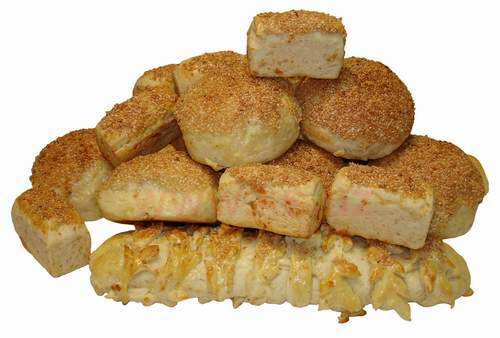
Baking of bread and cookies: uniform heating through moisture "light guides", baking time reduced from 45–100 to 5–15 minutes
Comparative Performance Indicators (Bakery Products)
Test Results
Empirical data from physical tests conducted in international research and production facilities
Tests conducted on mini roasting ovens (Uzbekistan, Russia, Germany, USA):

Cooking Time is Reduced
4 to 7 times reduction in cooking time

Reduction in Energy Consumption
Direct energy savings with enhanced throughput

Efficiency Improvement
When cooking poultry, meat, fish, and other foods
Tests conducted on baking equipment (Uzbekistan, Germany, Russia):
Baking Time
Cooking time reduction by 4 to 8 times
Energy Consumption
Energy consumption reduction by 4 to 10 times
Baking Efficiency
Substantial increase in line productivity
Areas of Equipment Application
Versatile equipment configurations from compact kitchens to high-capacity industrial plants
Household Sector
Compact household roasting ovens, tabletop grills, and barbecue units for domestic use with low power consumption on standard electrical connections.
Public Catering & HoReCa
High-performance equipment for restaurants, cafes, steakhouses, pizzerias, and bakeries: rapid order turnaround (5–15 min) with maximum natural juiciness.
Food Industry
Industrial baking conveyors, tunnel ovens, and automated continuous roasting systems with multi-fold electricity savings and standardized quality.
Product and Equipment Gallery
Samples of bakery products and prepared dishes processed with infrared ceramic technology
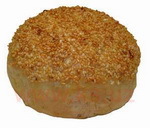
Round sesame bun after baking: uniform crust color and airy crumb structure without drying out
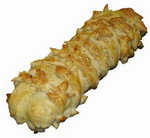
Braided pastry: deep pulsed IR penetration ensures uniform baking throughout all dough layers
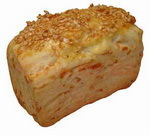
Portion bread loaf with sesame: minimal shrinkage (mass loss only 2.5–3% vs 26–30% in conventional ovens)
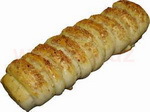
Elongated baguette: pulsed radiation eliminates yeast bacteria, extending bread freshness for several days