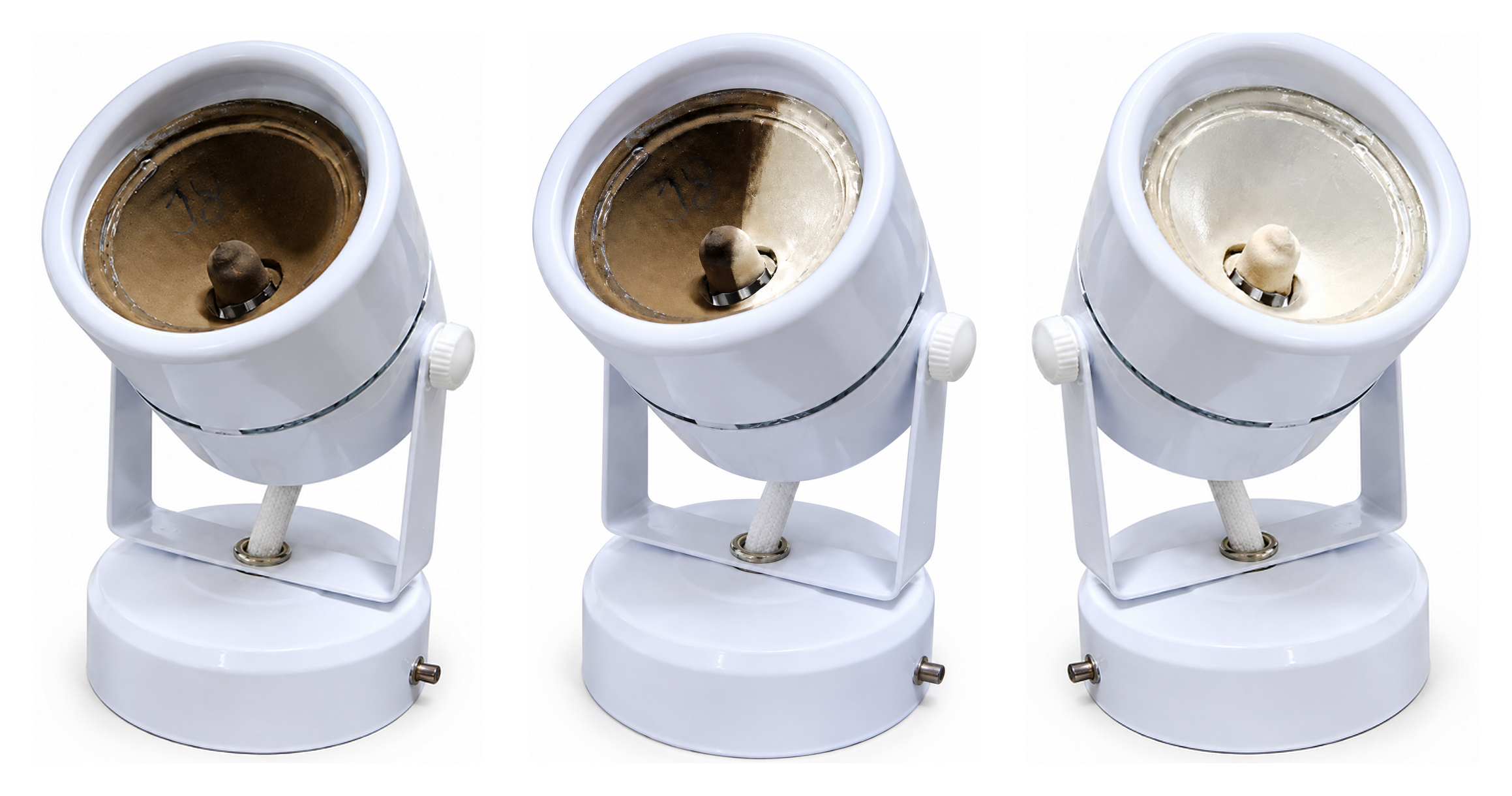
Resonance Therapy Method by R. Kh. Rakhimov "Infra-R"
"Infra-R" is an author's method of resonance therapy developed by Rustam Khakimovich Rakhimov, based on the use of specialized ceramic infrared (IR) emitters.
The theoretical concept of the method is based on utilizing infrared radiation of a specific spectral range to influence chemical and biochemical processes in the human body.
Core Principle of the Method
According to the theory of R. Kh. Rakhimov, various pathological conditions may be associated with disruptions in the sequence and rate of chemical and biochemical reactions. Within the author's concept, specialized ceramic emitters are selected taking into account the presumed nature of these disruptions, spectral radiation characteristics, and application area.
Differentiated Selection and EAV Diagnostics
A key feature of the method is the differentiated selection of emitters. They vary in specifications and intended purpose and can be used for systemic exposure or local exposure to specific organs and body areas. Depending on clinical objectives, individual emitters or combinations are applied. The methodology also provides for emitter selection and exposure duration guided by electroacupuncture (EAV) diagnostics.
What Are Ceramic IR Emitters?
Ceramic IR emitters, also called infrared lamps or emitters, are specialized devices used in the "Infra-R" methodology. According to the method's description, they emit energy in a specific spectral range and differ in spectral and temporal characteristics.
Each emitter type has a designation reflecting its role in the method and intended direction. Unlike conventional IR heat sources, significance is attached not only to radiation itself, but to device selection, target area, and combinations with other emitters.
Main Emitter Series
The methodology identifies several main series, each assigned a specific therapeutic direction:
Series K (KL, KH, KB) — associated with metabolic processes and adaptive mechanisms of the body. KL is designed for cases characterized by a reduced metabolic rate, KH for an increased rate, and KB stands out for its bone tissue restoration focus.
Series R (RC, RV) — associated with processes involving free radicals. In the author's classification, RC primarily targets antitumor effects, while RV focuses on antiviral action.
Series G (GI) — designed to target pathogenic microflora and inflammatory processes; materials also describe its application for intestinal microflora disorders.
Emitter AF — characterized by a more pronounced antimicrobial action, including action against pathogenic fungal flora.
Series Z (ZB, ZC, AK, AV) — associated with microcirculation and pathologically altered connective tissue. Emitters in this series differ in intended direction and intensity of action.
Application of Emitters
The method materials describe various options for using emitters, combinations, and clinical observations in diseases of various organs and systems. For example, installation "ST" is designed for local exposure to the perineum, pelvic organs, and intestines. In one configuration, GI and KL emitters are paired.
Exposure parameters (emitter type, combination with other devices, and procedure duration) are selected individually based on the clinical picture and examination results, and are prescribed exclusively by physicians who have completed training in this method.
Thus, "Infra-R" represents an integrated proprietary system using ceramic IR emitters, emphasizing radiation characteristics, differentiated device selection, and targeted influence on biochemical processes.
Zoom
Local lamps
Zoom
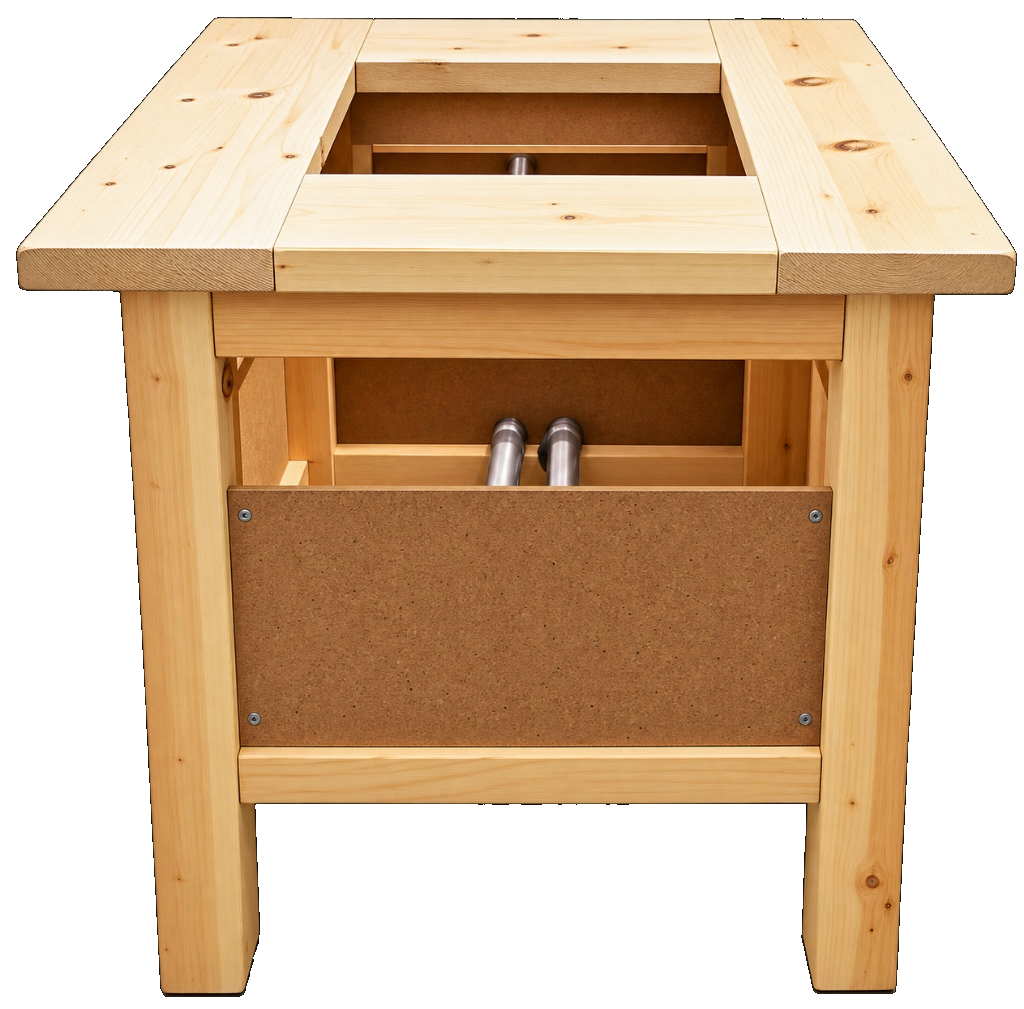
Installation ST
Catalog of Emitters and Therapeutic Combinations
Differentiated selection of ceramic emitters by target effects and clinical indications.
RCSeries R · Radicals & Oncoprotection
RC — Series R Emitter
RC is designed to act on processes associated with high activation energy free radicals and is described as a universal recombinator of such radicals. Unlike RV (primarily antiviral), RC is more commonly applied with antitumor objectives. It targets radical processes as cellular damage factors.
Indications for Use:
Diseases of viral etiology.
Benign and malignant tumors.
Prevention of viral and tumor diseases.
Intoxication states.
Prevention of myocardial infarction and ischemic organ damage.
Prevention and correction of reperfusion organ injuries.
Pain syndrome.
In combined regimens — selected cases of vascular disorders, severe intoxication, and persistent viral infections.
Clinical application: In clinical schemes, RC is used alone or combined with other emitters (ZB, GI/AF, etc.) when comprehensive impact on radical processes, intoxication, or vascular disorders is required. Applicable for systemic or local exposure, with duration monitored via EAV diagnostics.
GISeries G · Antimicrobial & Anti-inflammatory
GI — Series G Emitter
GI is designed primarily for antimicrobial and anti-inflammatory action on pathogenic microflora and inflammation. Effective against protozoa and normalizes intestinal microflora. One of the fundamental emitters used in infectious and inflammatory diseases.
Indications for Use:
Bacterial infections.
Inflammatory processes of various localizations, including mastitis, arthritis, sinusitis, rheumocarditis, endometritis, and enteritis.
Diseases caused by protozoa, including amebiasis, giardiasis, and trichomoniasis.
Ureaplasma infection and chlamydia.
Postoperative conditions to prevent secondary infection and reduce perifocal inflammation.
Bruises, injuries, and wounds.
Burns and ulcers.
Dysbiosis and intestinal microflora disturbances.
Lipid metabolism disorders and hypercholesterolemia.
Adrenal insufficiency.
Psoriasis and eczema.
Pain syndrome.
Clinical application: In clinical regimens, GI is applied in intestinal and respiratory diseases, local inflammatory processes, wounds, and pelvic organ disorders. Selection of standalone or combined use depends on treatment objectives.
AFSpecial · Fungal Flora & Exudates
AF — Emitter with Enhanced Antibacterial & Antimycotic Action
AF is designed for extended antimicrobial action covering pathogenic bacteria, protozoa, and fungal flora. Mechanism resembles G series but covers broader replication reactions. Antimicrobial and antimycotic efficacy is enhanced compared to GI.
Indications for Use:
Main indications listed for GI: bacterial infections, inflammatory processes, and diseases associated with pathogenic microflora.
Mycoses of various etiologies and localizations.
Cavity formations, e.g. cysts.
Conditions with pronounced exudative component, including exudative pleurisy and arthritis.
In combination with RC/RV — acute respiratory viral infections and specific clinical regimens.
Clinical application: AF is used alone or combined, including as an alternative to GI when stronger bacterial or fungal suppression is needed. Differentiated from GI via EAV diagnostics. Exposure duration is typically shorter than GI.
KLSeries K · Reduced Metabolic Rate
KL — Series K Emitter
KL belongs to series K and is indicated when reduced metabolic rate is diagnosed. Series K matches human radiation spectrum, normalizing reaction rates, providing immunocorrective and endocrine-supportive action. KL is chosen for hypometabolic states (unlike KH).
Indications for Use:
Reduced immunity.
Impaired functional activity of the pancreas.
Autonomic nervous system imbalance (sympathetic and parasympathetic).
Increased physical and emotional stress.
Allergic conditions, including asthma and allergic rhinitis.
Pain syndrome.
In complex regimens — acute inflammatory processes, trophic ulcers, and local inflammations (e.g. pancreatic projection).
Clinical application: KL is applied locally (pancreatic projection) and in combinations. Paired with GI in inflammation, with ZB in vascular and metabolic conditions; included in installation "ST" together with GI.
KHSeries K · Increased Metabolic Rate
KH — Series K Emitter
KH belongs to series K and is designed for conditions with increased metabolic rate. General role of series K is normalising reaction rates, synchronizing metabolism, supporting immunity and endocrine function. Differentiated from KL by targeting hypermetabolic states.
Indications for Use (Series K):
Reduced immunity.
Pancreatic functional impairment.
Autonomic nervous system imbalance.
Elevated physical and emotional overload.
Allergic conditions, including asthma and allergic rhinitis.
Pain syndrome.
Clinical application: Applied locally and in differentiated regimens. Choice between KH and KL is based on metabolic rate confirmed via EAV diagnostic testing.
KBSeries K · Bone Tissue Regeneration
KB — Series K Emitter
KB belongs to series K and is specifically designated for accelerating bone tissue regeneration. Unlike KL and KH, KB focuses directly on bone reparative processes and osteogenesis.
Indications for Use:
Restorative processes of bone tissue and stimulation of bone regeneration.
As local combination with GI — acute arthritis, trophic ulcers, and local inflammations (differentiated by methodology).
General restorative osteogenic support in complex regimens.
Clinical application: Mentioned in local pairing with GI for arthritis and trophic ulcers. Choice between GI+KL and GI+KB is differentiated through EAV testing.
AVSeries Z · Formed Pathological Collagen
AV — Series Z Emitter
AV belongs to series Z, intended for altering intermolecular bonds of pathological connective tissue and deposits, aiding their transition into soluble states. AV targets mature ("more perfected") pathological collagen, occupying the highest intensity tier: ZB → ZC → AK → AV.
Indications for Use (Series Z):
Microcirculation disorders in diabetes mellitus, atherosclerosis, angiopathy, and their prevention.
Gallbladder disorders.
Lipid metabolism disturbances and hypercholesterolemia.
Spine and vertebral diseases.
Collagenoses.
Keloid scars.
Clinical application: Specific feature: targeted action on mature pathological collagen and microcirculation. Exposure regimens and durations are calibrated by patient status.
AKSeries Z · Systemic Collagenoses & Cirrhosis
AK — Series Z Emitter
AK targets pathologically altered connective tissue and severe microcirculatory deficits. Indicated for systemic collagenoses and severe connective tissue damage across organs. Occupies the tier above ZC and below AV in intensity (ZB → ZC → AK → AV).
Indications for Use (AK):
Systemic collagenoses and systemic connective tissue lesions.
Severe organ damage involving connective tissue, including liver cirrhosis.
Resorption of keloid scars and surgical adhesions.
Clinical application: Combines general Z-series directions (microcirculation, lipid metabolism, gallbladder) with specialized focus on systemic connective tissue proliferation and fibrosis.
RC/ZBCombination · Radicals + Microcirculation
RC/ZB — Combination Regimen
Combines series R (free radicals) with ZB (microcirculation and tissue/vascular alterations). Considered in clinical schemes addressing radical processes, vascular impairment, and intoxication simultaneously.
Indications for Combination RC+ZB:
Protracted viral infections.
Vascular system damage and microcirculation disorders.
Reduction of intoxication manifestations.
Bronchial asthma.
Cirrhosis.
Viral diseases.
Metabolic disorders and diabetic angiopathy (in complex schemas).
Clinical application: Applied in local and systemic regimens when concurrent vascular and oxidative/intoxication stress is present.
Combines GI antimicrobial and anti-inflammatory action with ZB microcirculation and vascular support. Used when infectious, vascular, and metabolic factors coincide.
Clinical Examples of GI+ZB:
Comprehensive impact on infectious-inflammatory processes and microcirculation defects.
Intestinal exposure for microflora normalization.
Application in metabolic disorders and diabetic angiopathy.
Sequential application on gallbladder and liver, followed by adrenal glands for hormone regulation.
Clinical application: Also documented as GI+ZB/NGH for liver, gallbladder, and adrenal areas. Blood pressure monitoring is specifically advised in hypertensive cases.
Combines KL (metabolic normalization in hypometabolic states) and ZB (microcirculation). Applied in chronic prostatitis and prostatic adenoma alongside vascular care.
Clinical Examples of KL+ZB:
Pancreatic exposure with KL in carbohydrate metabolism disorders.
Local ZB application on areas with vascular disorders.
Comprehensive regimens for angiopathy.
Prostate adenoma and prostatitis.
Sequential ZB and KL application in inflammatory and vascular states.
Clinical application: Dual approach to metabolic and vascular microcirculation challenges.
RVSeries R · Antiviral Action
RV — Series R Emitter
RV belongs to series R and is primarily distinguished by antiviral action and viral enzyme inactivation. Produces high-energy impulses acting on primary and secondary radicals. Used in viral infections and acute respiratory conditions.
Indications for RV:
Diseases of viral etiology and viral disease prevention.
Viral infections in complex therapy.
GI/AF+RC/RV combination in acute respiratory viral infections.
RV+ZB combination in specific cases with elevated EAV readings.
General series R indications: intoxication, ischemic/reperfusion injuries, pain.
Clinical application: EAV diagnostic control of exposure duration is emphasized. Caution is advised with prolonged continuous exposure.
ZBSeries Z · Blood Microcirculation & Vessels
ZB — Series Z Emitter
ZB targets blood microcirculation, connective tissue, and vascular alterations. Base emitter of series Z (ZB → ZC → AK → AV).
Indications for ZB:
Blood microcirculation disorders;
Pathological changes of connective tissue;
Tissue and vascular alterations related to microcirculatory impairment;
Selected applications with RV when EAV readings are elevated;
Angiopathy;
Intestinal and gallbladder disorders (in combination with other emitters).
Clinical application: Base Z-group emitter for microvascular restoration and tissue permeability improvement.
Installation "ST" — System for Pelvic Organs and Intestines
Installation "ST" is designed for local exposure to the perineum, pelvic organs, and intestines. Configuration features GI and KL emitters for inflammatory conditions, benign lesions, and hemorrhoids.
Emitter pairing and exposure duration are calibrated using EAV electroacupuncture diagnostic testing.
Indications for Use
Urology & Andrology:
Prostatitis (acute and chronic forms)
Urethritis
Erectile dysfunction (impotence)
Enuresis
Gynecology & Reproductive Health:
Endometritis (acute, chronic, postpartum)
Uterine myoma and ovarian cysts (conservative therapy)
Bartholinitis
Infertility of various etiologies, recurrent pregnancy loss
Proctology & Gastroenterology:
Hemorrhoids
Colitis, intestinal colic
Cholecystitis
Vascular System & Angiology:
Varicose veins
Obliterating endarteritis
Diabetic angiopathy
Neurology & Musculoskeletal System:
Lumbosacral osteochondrosis
Polyneuritis, neurasthenia
General Recovery & Endocrinology:
Diabetes mellitus (compensation of carbohydrate metabolism)
Chronic fatigue syndrome, general exhaustion, loss of strength
Postoperative rehabilitation
Application of Emitters
The method materials describe various options for using emitters, combinations, and clinical observations in diseases of various organs and systems. For example, installation "ST" is designed for local exposure to the perineum, pelvic organs, and intestines. In one configuration, GI and KL emitters are paired.
Exposure parameters (emitter type, combination with other devices, and procedure duration) are selected individually based on the clinical picture and examination results, and are prescribed exclusively by physicians who have completed training in this method.
Thus, "Infra-R" represents an integrated proprietary system using ceramic IR emitters, emphasizing radiation characteristics, differentiated device selection, and targeted influence on biochemical processes.
Scientific & Methodological Materials and Publications
Official methodological guidelines and scientific works by Professor R. Kh. Rakhimov on the "Infra-R" method in PDF format.
Methodological Guide62 KB
Author's concept of the interaction of biochemical processes, cellular metabolism, internal organ functions, nervous system, and immune defense. Analysis of pathogenetic mechanisms and principles of differentiated ceramic IR emitter selection.
Scientific Work / Book Chapter937 KB
Fundamental scientific work by Professor R. Kh. Rakhimov: disease, immunity, and interrelationship of physiological processes in the organism. Detailed analysis of homeostasis, mitochondria, cellular respiration, and resonance IR action in pathologies.