





Drying of paint and varnishes
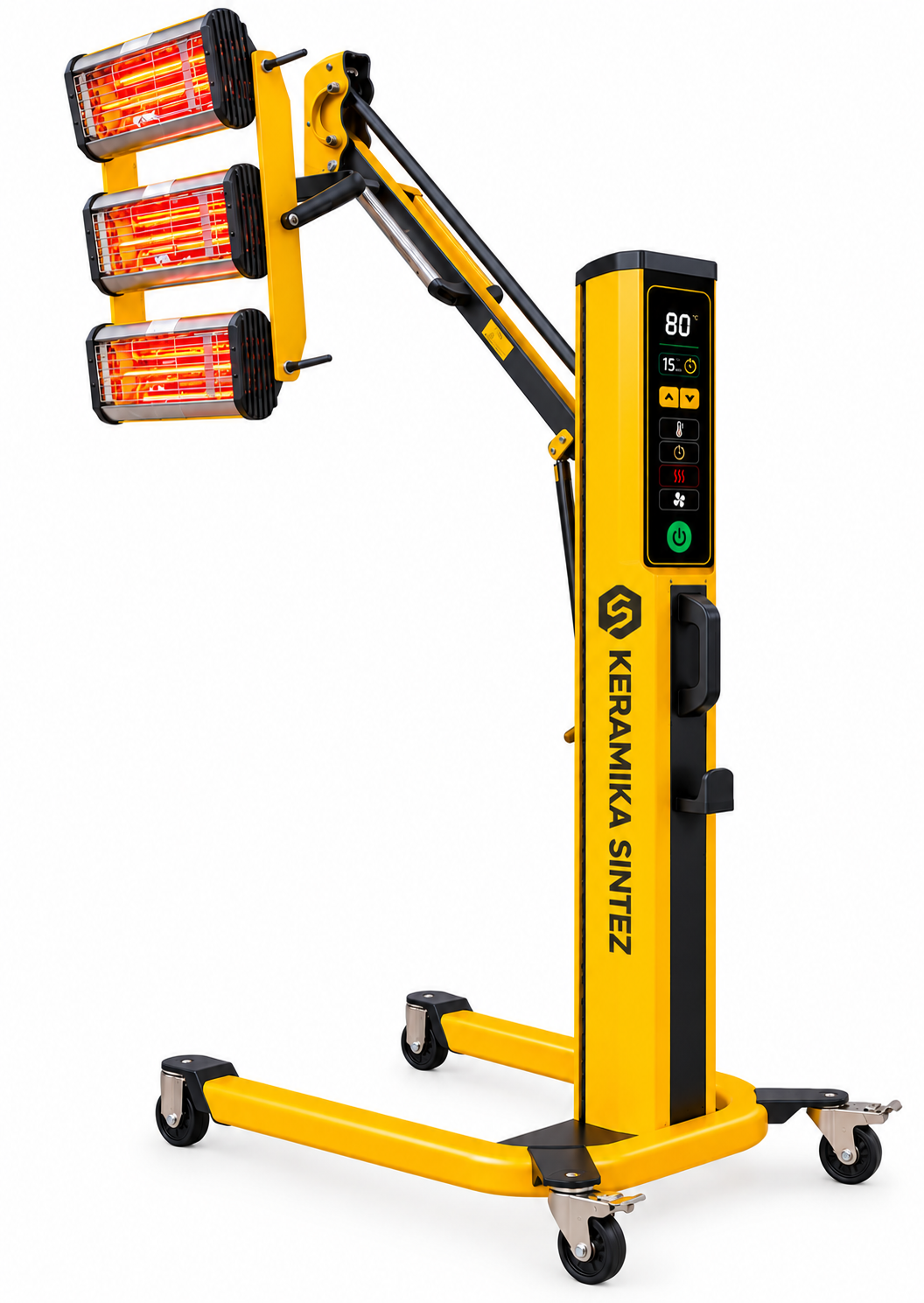
For drying, heating, and polymerizing paints, lacquers, and plastic coatings, the main requirements are high quality in accordance with ISO 9001, cost-effectiveness, minimal energy and time consumption, simplicity, and reliability of the technological process.
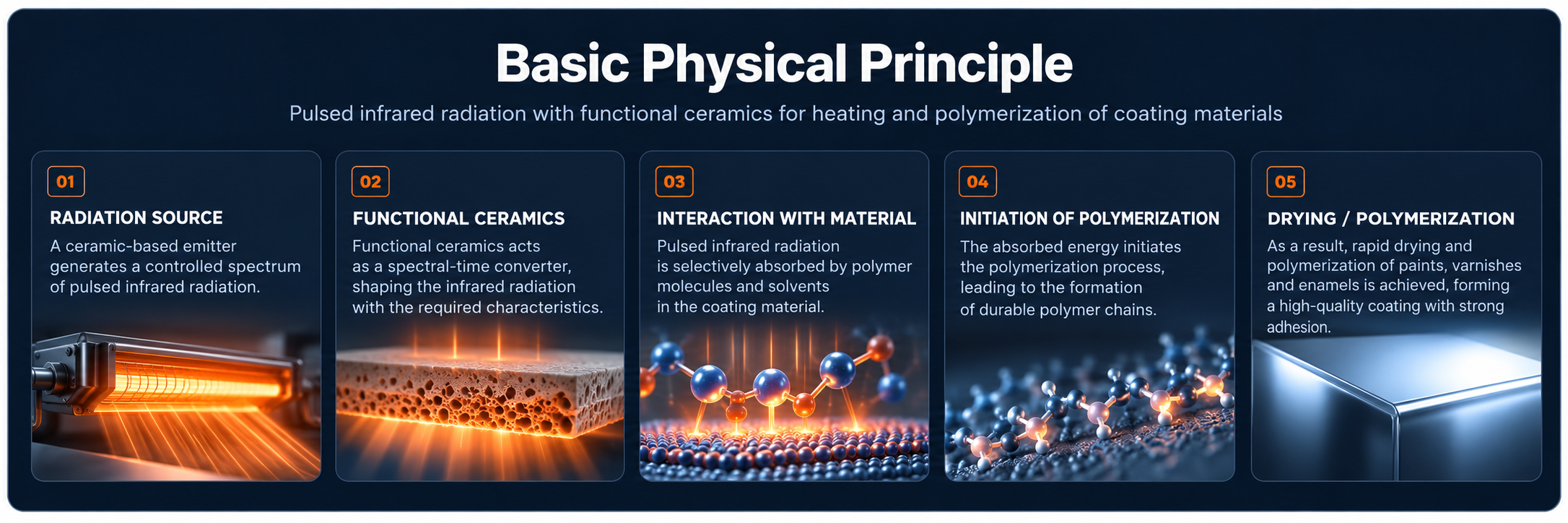
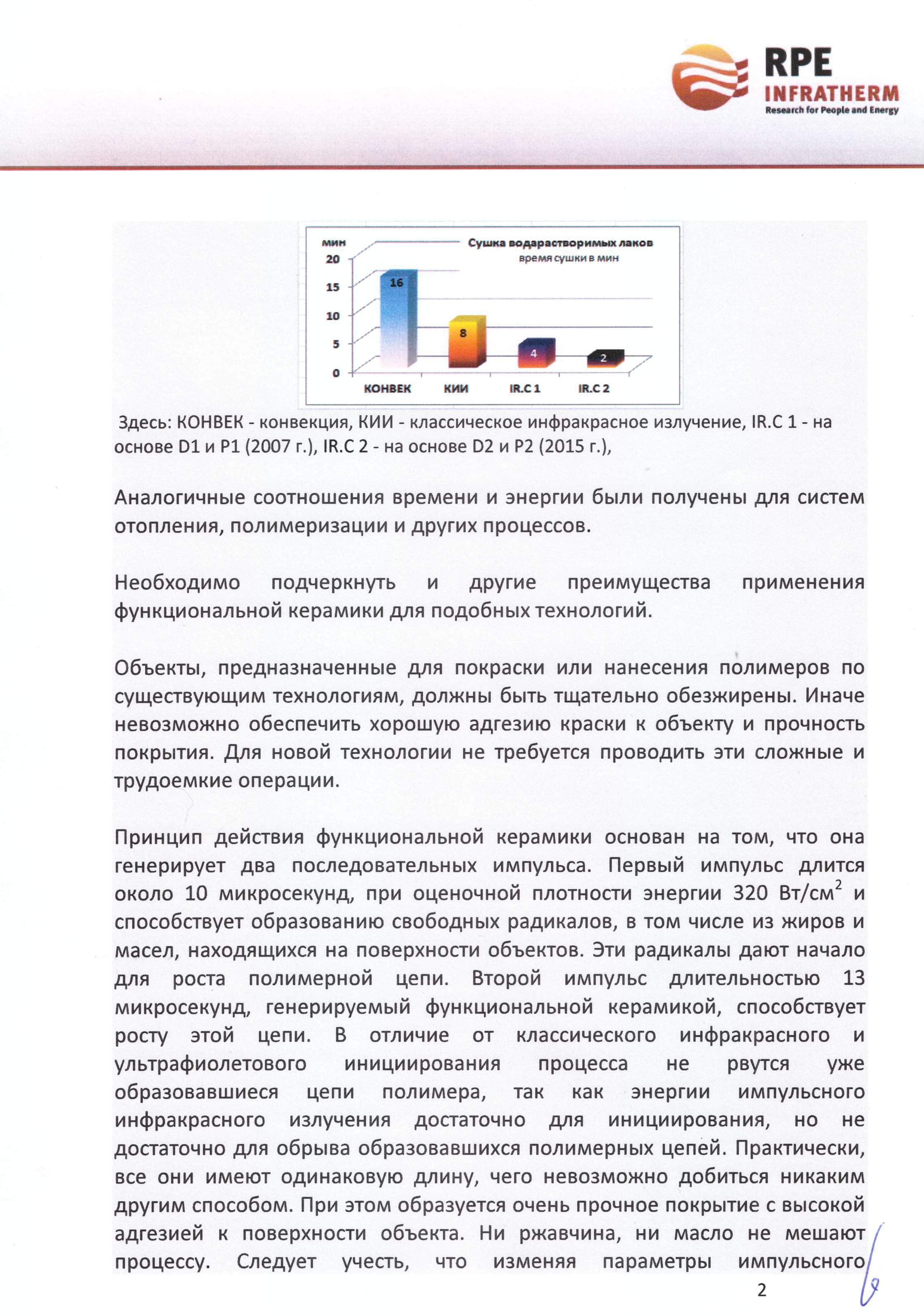
When painted surfaces are irradiated with emitters coated with functional ceramics, the drying time for paints, varnishes, and enamels is reduced from two hours to just a few minutes. According to the original description, the applied method not only improves the paint quality, but also prevents color change and the emission of harmful pollutants into the environment.
 Zoom
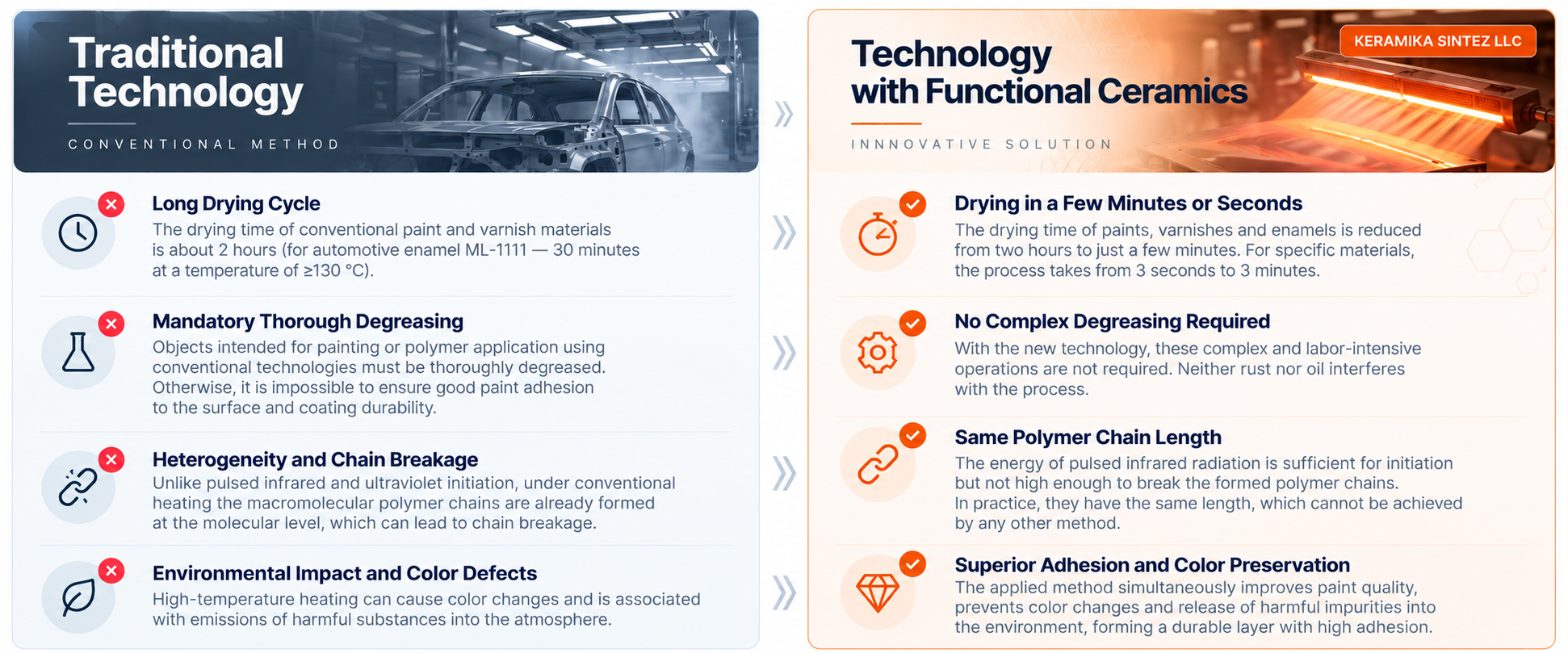
Comparison with Conventional Technology
Conventional thermal heating vs. pulsed IR radiation with functional ceramics
 Zoom
 Zoom
Properties of the Resulting Coating
Physical and mechanical advantages of the cured polymer layer
High Adhesion to Substrate
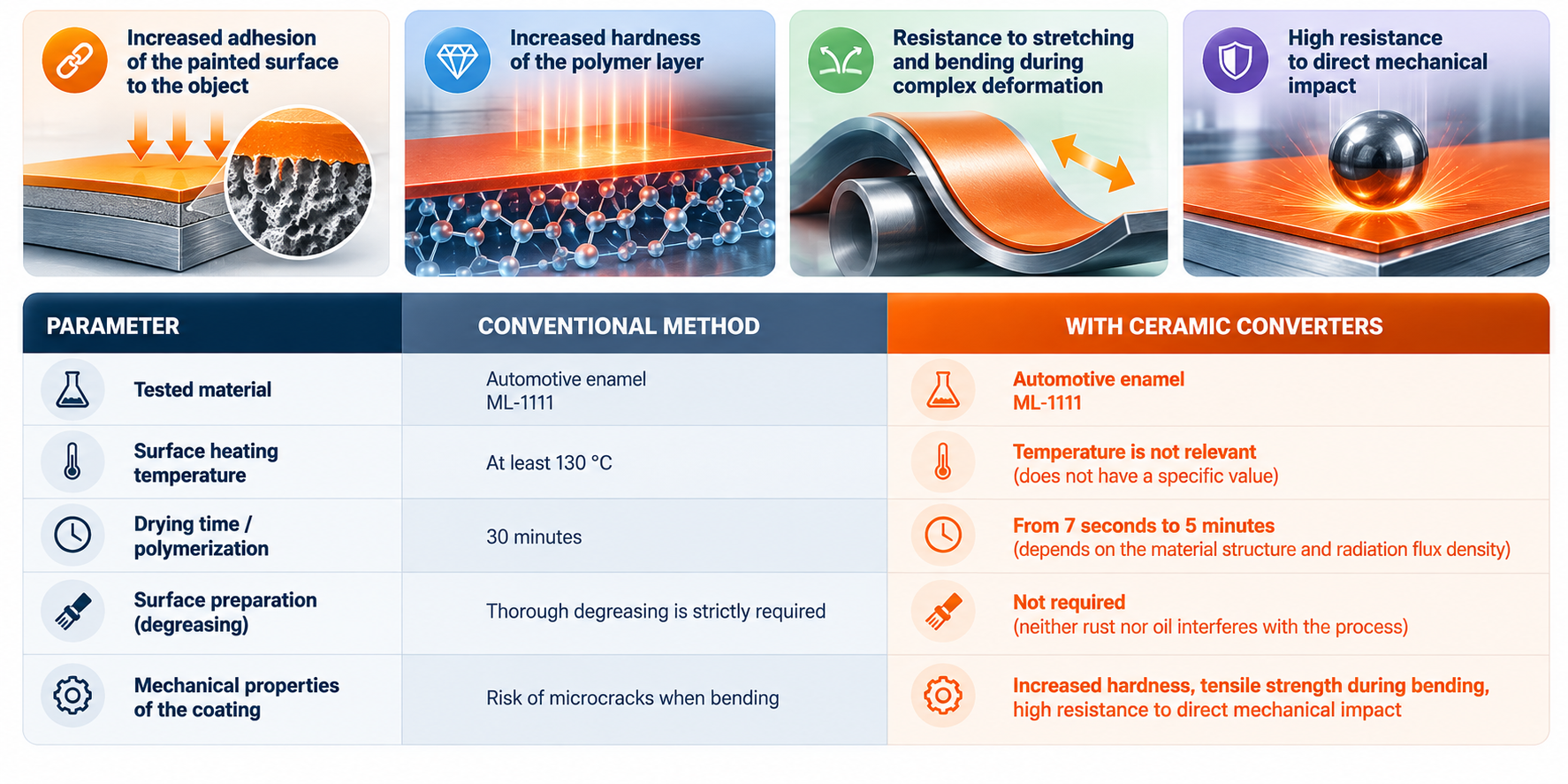
A very durable coating with high adhesion to the object surface is formed, guaranteeing lasting protection.
Immunity to Rust and Oil Films
Neither rust nor oil interfere with the process, forming an intact and resilient layer without prior complex degreasing.
No Peeling or Cracking upon Bending
Even after repeated bending of objects with such coatings, no peeling occurs and no cracks form on the coating itself.
Post-Coating Forming Capability
Allows pre-painting of metal sheets which can then be formed into complex mechanical shapes without coating damage.
Tunable Coating Characteristics
By adjusting the parameters of the pulsed infrared radiation, polymer chain lengths can be controlled, regulating coating properties.
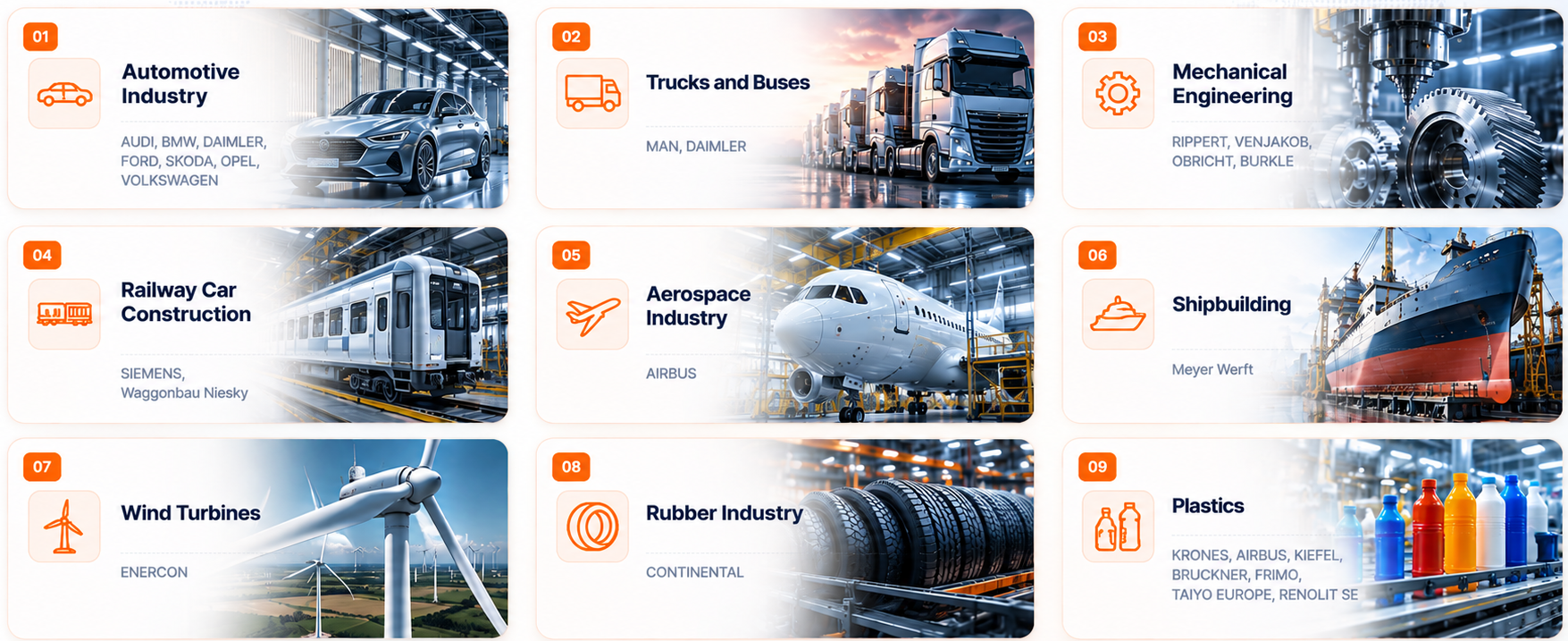
Applications & Industries
The company RPE (Germany) has been conducting intensive marketing in the following companies over the past two years
 Zoom
 Zoom
 Zoom
 Zoom
 Zoom
Test Results
Comparative curing parameters for industrial coatings
The automotive enamel brand ML-1111, when dried using conventional methods, requires heating the surface to a temperature of at least 130 °C for 30 minutes. With the use of special ceramic converters, the drying time ranges from 7 seconds to 5 minutes, with temperature being irrelevant in this case.
 Zoom
 Zoom
Gallery of Specimens
Experimental coating samples on various industrial substrates
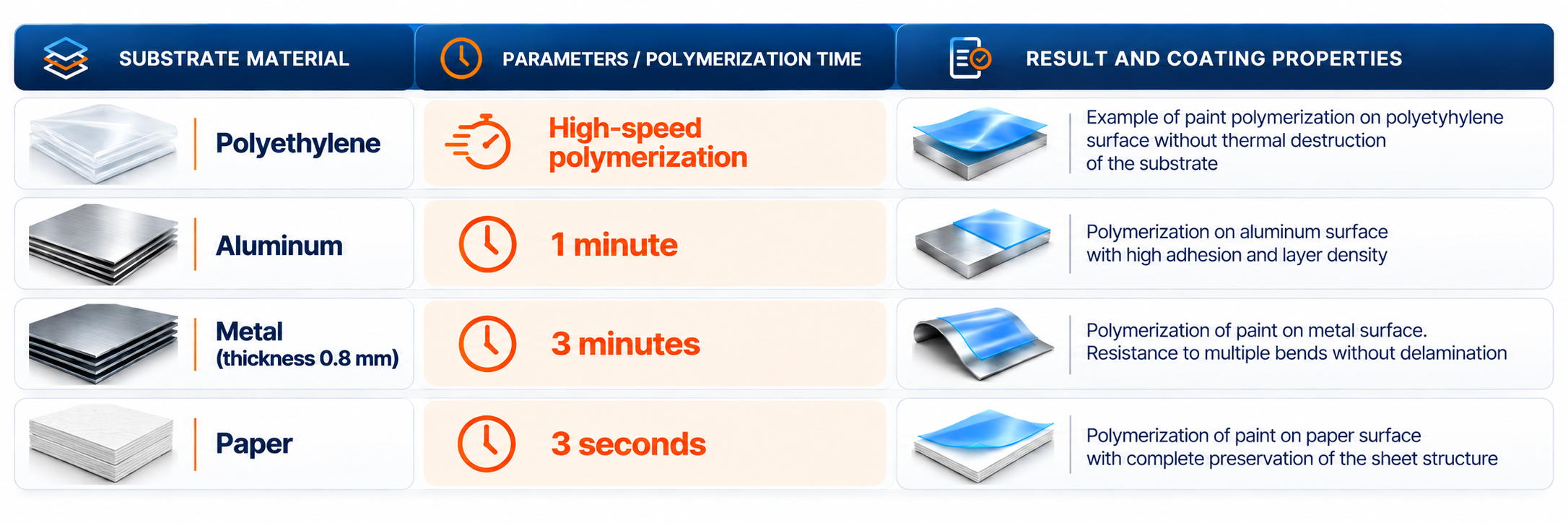
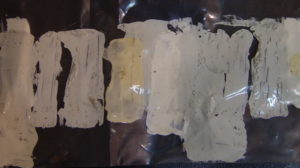 High-speed polymerization
Polyethylene
An example of polymerization of paints on the surface of polyethylene.
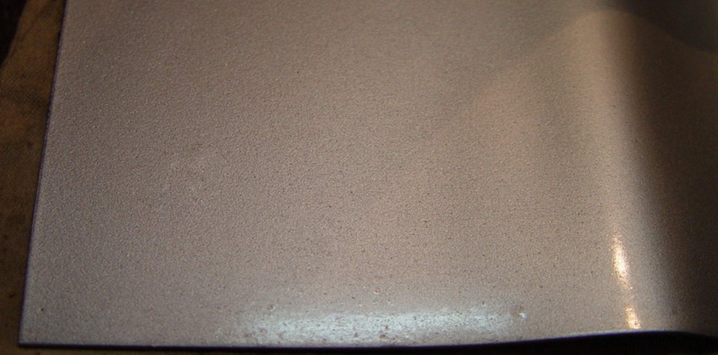 Time: 1 minute
Aluminum — 1 minute
Polymerization on the surface of aluminum. Time: 1 minute.
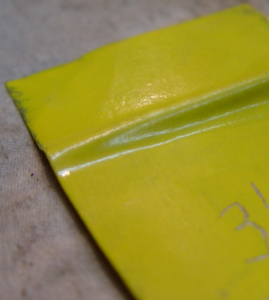 Time: 3 minutes (metal thickness 0.8 mm)
Metal 0.8 mm — 3 minutes
Polymerization of paint on the surface of metal (metal thickness 0.8 mm). Time: 3 minutes.
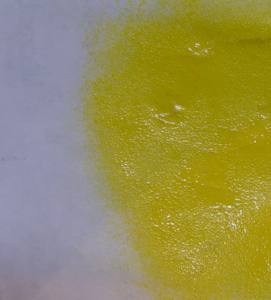 Time: 3 seconds
Paper — 3 seconds
Polymerization of paint on the surface of paper. Time: 3 seconds.